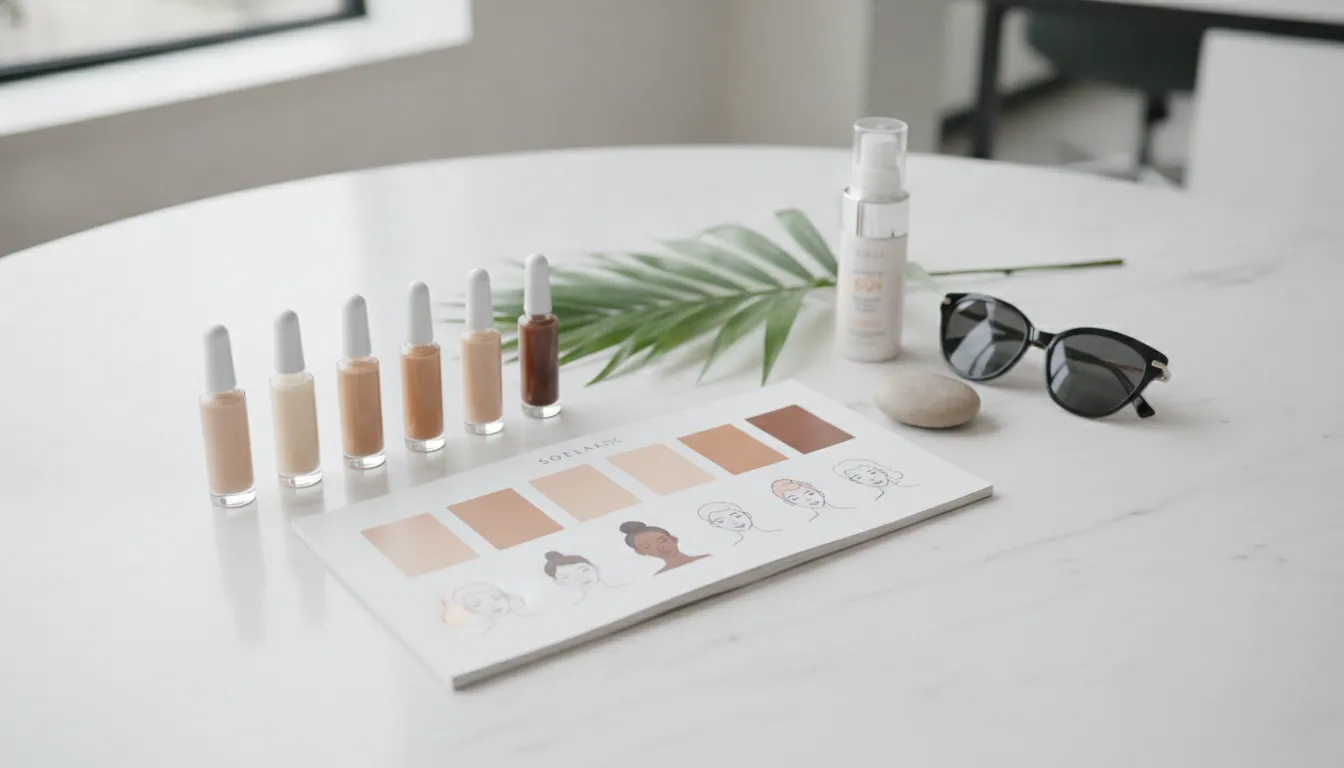
Have you ever wondered why one person burns after a short time outdoors while another tans with little visible redness? The fitzpatrick skin type scale offers a way to describe these different responses to ultraviolet rays. It groups typical burning and tanning patterns into six phototypes, giving patients and dermatologists a shared starting point for conversations about sun protection and skin treatments. Still, your type is only one detail in a much broader picture. It does not define your identity, account for every skin tone, or predict your personal risk of skin cancer. This guide explains how to estimate your type and use it as context, not a diagnosis.
Key Takeaways
- The scale describes common UV responses: Fitzpatrick types are based on whether skin typically burns or tans, not on skin tone or ethnicity alone.
- Treat your type as one detail, not a diagnosis: It cannot measure sun damage, predict your personal skin cancer risk, or determine which treatment is right for you.
- Protect your skin and seek guidance when needed: Use sunscreen, shade, and protective clothing, and ask a dermatologist about changing spots or planned skin procedures.
What Is the Fitzpatrick Skin Type Scale?
The Fitzpatrick Skin Type Scale, also called the Fitzpatrick phototype scale, sorts skin into six categories based on its typical response to ultraviolet (UV) exposure. It offers useful context for conversations about sun care and some dermatology treatments, but it does not describe every aspect of an individualâs skin.
How the scale groups typical burning and tanning responses to UV exposure
The scale centers on how skin typically responds to sunlight: whether it burns, tans, or does both. Type I generally burns easily and rarely tans. At the other end, Type VI is deeply pigmented and usually does not burn. Types II through V describe a range of responses between these patterns.
The categories reflect a personâs usual reaction to UV rays, not just their visible skin color. The DermNet guide to skin phototypes outlines the typical responses associated with each type. These descriptions are broad patterns, not guarantees. The same personâs response can vary depending on factors such as the strength and duration of sun exposure, medications, and other causes of sun sensitivity.
Why skin tone, ethnicity, and Fitzpatrick type differ
Skin tone and ethnicity do not determine someoneâs Fitzpatrick type. People with similar-looking skin may have different histories of burning and tanning, while people from the same ethnic background may fit different categories. The scale describes typical reactions to UV exposure; it is not a measure of ancestry or identity.
The six categories also cannot capture the full range of skin tones or individual sun responses. A person may find it difficult to estimate their type if they have limited experience in strong sunlight or cannot recall how their skin usually reacts. Phototype is best understood as one piece of information, not a complete description of skin health. A dermatologist can consider it alongside other details, including sun exposure, medical history, and current skin concerns.
How dermatologists use phototype in a broader assessment
Dermatologists may consider phototype when discussing sun protection or evaluating treatments such as lasers and chemical peels. Skin can respond differently to light and procedures, so phototype may help inform treatment choices and reduce the chance of unwanted effects, including changes in pigmentation. It cannot, by itself, determine which treatment is right or predict an exact result.
A dermatologist will also consider your medical history, medications, skin concerns, and goals. Before a procedure, share any past irritation, scarring, or pigmentation changes after treatment. A dermatology consultation at Dermaclinique can help put your phototype in context and guide recommendations for your individual skin.
What Are the Six Fitzpatrick Skin Types?
The Fitzpatrick scale groups skin into six phototypes based on how it typically responds to ultraviolet (UV) exposure, particularly whether it burns or tans. Type I describes skin that usually burns and rarely tans. Type VI describes skin that rarely burns and tans deeply. Types II through V fall between those patterns. The DermNet guide to skin phototypes outlines the traits commonly associated with each type.
These descriptions are broad, not exact. Skin tone, eye color, hair color, and ethnicity do not determine someoneâs phototype on their own. People with similar complexions may respond differently to sun exposure, and people in the same category may have different skin health histories.
Phototype can provide useful context for conversations about sun care, but it does not show how much UV damage a person has or predict their individual risk of skin cancer. Time spent outdoors, past sunburns, medications, health conditions, and family history can also matter. The summaries below describe typical patterns, not rules. If you have questions about your skin or notice a spot that is changing, bleeding, or not healing, a dermatologist can assess it in context.
Type I: Usually burns, rarely or never tans
Type I is commonly described as very fair or pale skin that burns readily and rarely tans. People with this phototype may notice redness or discomfort after relatively brief sun exposure, especially when the UV is intense. Traditional descriptions sometimes mention light eyes or blond or red hair, but those features alone do not determine phototype.
A history of frequent sunburns is a good reason to be consistent with sun protection and skin checks. Still, Type I is not a prediction of what will happen to any one person. Individual health history, the amount of UV exposure, and other factors contribute to skin health. The phototype descriptions from DermNet are best used as general guidance, rather than as a substitute for a professional assessment.
Type II: Burns easily, tans minimally
Type II generally describes fair skin that burns easily and tans minimally. A person with this phototype may notice redness after sun exposure and develop little color, even after spending time outdoors. Experiences vary, so one sunburn or one occasion of tanning may not reflect someoneâs usual response.
Sun protection matters for every phototype, including Type II. Use broad-spectrum sunscreen, cover exposed skin with clothing, and seek shade when practical. A tan is a response to UV exposure, not proof that the skin is protected from damage. Use your past experience as one clue when estimating your phototype, and remember that the Fitzpatrick scale describes common patterns rather than individual outcomes.
Type III: Sometimes burns, tans gradually
Type III is often associated with skin that may burn after initial sun exposure and then tan gradually. Someone with this phototype might burn after prolonged time outside or intense sun, even if they have tanned during other periods. How the skin responds can vary with the length and intensity of exposure.
When estimating your phototype, think about your usual response rather than skin color alone. Consider what tends to happen during your first periods of sun exposure, while keeping in mind that sunscreen, clothing, and time outdoors can affect your experience. A gradual tan does not mean UV exposure is harmless. These six phototype categories offer a starting point, but a dermatologist can consider your broader skin and health history.
Type IV: Burns less often, tans easily
Type IV is typically described as light brown skin that tans easily and burns less often. A person with this phototype may develop a noticeable tan after sun exposure and experience burns less frequently than someone with a lighter phototype. That response can still vary with the strength of the sun, time outdoors, and whether the skin is protected.
Tanning does not prevent UV damage, and rarely burning does not mean someone is immune to sun-related skin changes. Continue using sunscreen and protective clothing, and pay attention to new or changing spots. Phototype is one piece of information, not a complete picture of skin health. If a spot concerns you, a dermatologist can assess it rather than relying on a category to determine whether it needs attention.
Type V: Rarely burns, tans deeply
Type V is generally described as brown skin that rarely burns and tans deeply with sun exposure. A person in this group may not notice the same visible redness that can follow sunburn on lighter skin. However, UV exposure can still affect skin across all skin tones, and visible redness is not the only sign of a skin concern.
Keep up with sun protection and check your skin for changes, including areas that receive less sun. Ask a dermatologist about spots that are new, changing, bleeding, or slow to heal. The Fitzpatrick skin phototype scale summarizes typical burning and tanning patterns; it does not determine an individualâs skin cancer risk or replace a skin examination.
Type VI: Rarely or never burns, tans deeply
Type VI is usually described as dark brown or black skin that rarely or never burns and tans deeply. This category reflects a typical response to UV exposure, not a guarantee that burning or sun damage cannot happen. Individual experiences vary, and some skin changes may be less noticeable depending on skin tone.
Sun protection still matters. Apply sunscreen to exposed areas, wear protective clothing, and seek shade during extended time outdoors. When checking your skin, look at areas that are regularly exposed to sunlight as well as the palms, soles, and nails. A phototype label cannot assess a spot or explain a skin change. If something looks new or different, a dermatologist can evaluate it as part of a broader skin assessment.
Why these descriptions are estimates, not fixed rules
The six phototypes describe common responses, not precise predictions. Someoneâs experience may not match every detail of a category, and it can be hard to recall how their skin usually responds to sun exposure. UV intensity, time outdoors, sun protection, medications, and health conditions that increase sun sensitivity can all affect what a person notices.
The scale also cannot capture every skin tone or variation in sun response. It does not measure existing UV damage, diagnose a skin condition, or calculate an individualâs chance of developing skin cancer. Treat phototype as background information, not as a reason to skip sun protection or delay care. A dermatologist can consider your medical and family history, examine your skin, and discuss your concerns. Dermaclinique offers medical dermatology care in St. Petersburg, Clearwater, and the Tampa Bay area.
How to Estimate Your Fitzpatrick Skin Type
The Fitzpatrick scale groups skin by its typical response to ultraviolet (UV) exposure, particularly whether it burns or tans. Your past experiences can help you make a rough estimate, but the scale is only one way to describe your skin. It does not account for every factor that can affect sun sensitivity, such as medications, health conditions, or how much time you spend outdoors.
As you think about your sun-response history, focus on patterns you have noticed over time. Donât use skin color alone to choose a type, and never expose yourself to UV rays to test your response. These steps can help you describe your experience and discuss it with a dermatologist.
Recall your usual response to initial, unprotected sun exposure
Think about how your skin has typically reacted during early sun exposure, especially after spending less time outdoors. Does it tend to burn before it tans, tan gradually, or do both? Look for a pattern across past experiences rather than relying on one particularly sunny day. The Fitzpatrick classification was developed to describe these typical reactions to UV exposure.
Your memory may not give you a clear answer, and thatâs okay. The amount of sun, time of day, shade, clothing, and sunscreen can all affect what happens. If youâre unsure, note what you do remember, such as whether youâve had sunburns or your skin tends to tan. You donât need to force your experience into a category.
Focus on burning and tanning, not skin color alone
The Fitzpatrick scale focuses on how skin typically responds to UV exposure: whether it burns, tans, or does both. Skin color can provide context, but it cannot determine your type on its own. People with similar complexions may have different sun-response histories, while people with different complexions may respond similarly.
The categories do not define ethnicity or capture every variation in skin tone. Use your history of burning and tanning as a guide, not as a measure of how much protection you need. DermNetâs overview explains that phototype describes a typical response to sun exposure, while individual factors can also affect sensitivity. Sun protection matters for every skin tone.
Use self-assessments as a starting point, not a diagnosis
Online quizzes and charts can help you estimate a likely category, but their results are not a diagnosis. Your answers depend on how well you remember past sun exposure, and a brief questionnaire cannot account for every factor that affects skin health. The Fitzpatrick scale also does not measure existing UV damage or determine your personal risk of skin cancer.
Treat your estimate as a way to describe your experience, not as a medical conclusion. A dermatologist can consider your sun-response history alongside your skin, health, medications, and concerns. If you have questions about sun protection or notice a spot that looks different, bring them to a dermatology appointment. You donât need to know your exact type before seeking care.
Never deliberately sunburn to test your type
Donât intentionally go without protection or stay in the sun to see whether your skin burns. A sunburn is a sign of UV injury, not a safe or reliable test. It can be painful and contribute to skin damage, whatever Fitzpatrick category you think best describes you.
Instead, use what you already know about your skinâs past reactions. If you have little experience with sun exposure, or your response has varied, itâs fine to consider your type uncertain. Continue using sun protection, including broad-spectrum sunscreen, shade, and protective clothing. A dermatologist can help put your history into context without asking you to risk a burn.
How Does Fitzpatrick Skin Type Guide Sun Protection?
The Fitzpatrick scale describes how skin typically responds to ultraviolet (UV) exposure, including whether it burns or tans. This history can help a dermatologist tailor sun-care advice, but it does not determine how much protection you need. Every skin type can experience UV damage, even if it rarely burns or tans easily. The US Dermatology Partners guide to the Fitzpatrick scale recommends broad-spectrum sunscreen for all skin types.
For everyday protection, combine sunscreen with shade and sun-protective clothing. These habits work together, so you are not relying on sunscreen alone during a long day outdoors. In Tampa Bay, make sun protection part of activities such as walking, gardening, boating, or spending time at the beach.
Your Fitzpatrick type is one piece of your skin-health picture. Past sun exposure, time spent outdoors, medications, and personal or family history also matter. A dermatologist can help you make a routine that fits your skin and lifestyle. Dermaclinique offers medical dermatology care in St. Petersburg, Clearwater, and the surrounding Tampa Bay area.
Protect every skin type with broad-spectrum SPF 30 or higher
Choose a broad-spectrum sunscreen labeled SPF 30 or higher. Broad-spectrum products protect against both UVA and UVB rays. UV exposure can damage skin whether you burn quickly, tan gradually, or rarely notice a burn, so sunscreen is an important part of care for every phototype.
Apply it to exposed skin before going outdoors, following the product label. If you plan to swim or sweat, choose a water-resistant sunscreen and check its directions for how often to reapply. Sunscreen works best as one part of your routine, alongside shade and protective clothing. If you have sensitive skin or a skin condition, a dermatologist can help you find a formula that feels comfortable and suits your needs.
Apply sunscreen generously; reapply every two hours and after swimming or sweating
Apply sunscreen in an even, generous layer to all exposed skin. Pay attention to areas that are often missed, including your ears, neck, hands, tops of your feet, and any part in your hair. Using less than directed can leave you with less protection than the SPF label indicates.
Reapply at least every two hours while outdoors, and after swimming, sweating, or towel-drying. Follow the product label, including directions for water-resistant formulas. Applying sunscreen in the morning may not provide enough protection for a full day outside. The NEDA Dermatology guide also highlights consistent sunscreen use as part of a sun-care plan.
Seek shade and wear sun-protective clothing and a wide-brimmed hat
Sunscreen is only one part of sun protection. When you can, take breaks in the shade, particularly during the sunâs strongest hours. Shade can reduce direct exposure, but UV rays may still reach you from nearby surfaces, so apply sunscreen to exposed skin as well.
Clothing adds a helpful barrier. Choose tightly woven garments or clothing with an ultraviolet protection factor (UPF) rating, and wear a wide-brimmed hat to cover your face, ears, and neck. Sunglasses that block UVA and UVB rays help protect your eyes and the surrounding skin. These habits are useful across phototypes: DermNetâs explanation of skin phototypes notes that protective clothing and shade benefit all skin types.
Protect your skin daily, including during outdoor activities in Tampa Bay
Make sun protection part of your regular routine, not just something you do at the beach. UV exposure can add up during everyday activities, such as walking the dog, driving, gardening, or sitting outdoors. In Tampa Bay, keeping sunscreen and a hat handy can make it easier to protect your skin when plans take you outside.
Check the UV forecast before spending a long time outdoors, and plan for shade breaks. Reapply sunscreen as directed, especially after swimming or sweating. Daily sun-care habits can help limit UV exposure regardless of how easily your skin tans. A dermatologist can help you build a routine that accounts for your phototype, skin concerns, and time outdoors.
Avoid tanning beds and intentional tanning, whatever your skin type
Tanning beds expose your skin to UV radiation, and intentional outdoor tanning also causes UV exposure. A tan is not a sign of healthy skin or reliable sun protection. Even if you rarely burn, UV exposure can contribute to premature skin aging and skin damage.
Skip the idea of getting a âbase tanâ before a trip or outdoor event. Instead, use sunscreen, protective clothing, and shade. If you want a tanned appearance, consider a sunless tanning product, but continue protecting your skin outdoors. The Healthline overview of Fitzpatrick skin types describes differences in how skin may burn or tan, but no phototype makes intentional UV exposure a safe choice.
How Does Fitzpatrick Skin Type Relate to Skin Cancer Risk?
The Fitzpatrick scale describes how skin typically responds to ultraviolet (UV) exposure. It can help guide a conversation about sun protection, but it cannot predict whether a person will develop skin cancer. Risk is influenced by several factors, including time spent in the sun, past sunburns, personal and family history, and other aspects of health.
People with lighter phototypes tend to burn more easily, but darker skin can also sustain UV damage and develop skin cancer. Whatever your skin tone, pay attention to changes across your whole body and ask a dermatologist about spots that concern you. A skin check can help assess your skin and identify appropriate next steps.
Understand why lighter phototypes may face greater UV-related risk
People with Fitzpatrick types I and II usually burn more easily and tan less. Their skin has less natural protection from UV radiation, which contributes to a higher risk of UV-related skin damage. Repeated exposure and a history of sunburns can add to that risk. The Skin Cancer Foundationâs explanation of skin type and skin cancer risk offers more detail on how typical sun response relates to risk.
This pattern does not predict what will happen to any one person. A lighter phototype does not mean someone will develop skin cancer, and a darker phototype does not rule it out. Sun protection is important for every skin type: use broad-spectrum sunscreen, seek shade, and cover up when you are outdoors.
Know that darker skin can still sustain UV damage and develop skin cancer
Melanin provides some natural protection from UV radiation, but it does not prevent all sun damage or skin cancer. People with darker skin can develop skin cancer, too. Some skin cancers may be harder to notice, particularly when they appear in areas that are not regularly exposed to the sun or checked.
Check sun-exposed skin as well as your palms, soles, and the skin around and beneath your nails. Darker skin can also be more likely to develop dark marks after irritation or injury, as DermNet explains in its guide to skin phototype. If a mark is new or changing, do not dismiss it based on skin tone. A dermatologist can examine it and recommend whether further evaluation is needed.
Consider sun exposure and personal and family history, not phototype alone
Fitzpatrick type describes a personâs usual response to sun exposure, but it is only one part of a skin cancer risk assessment. A dermatologist may ask about time spent outdoors, past sunburns, tanning bed use, previous skin cancers, and skin cancer in close relatives. Certain medications and health conditions may also affect your skin or how it responds to sunlight.
Think of phototype as a starting point for discussion, not a personal risk score. When you speak with a dermatologist, share what you know about your sun exposure and medical and family history. This broader context can help guide sun protection advice and decisions about whether regular professional skin exams are right for you.
Check all skin, including palms, soles, and nails, for new or changing spots
Regularly check your skin so you can notice changes. Look over your face, scalp, ears, arms, legs, back, and chest, along with less visible places such as the soles of your feet, palms, and the skin around and beneath your nails. Use a mirror or ask someone you trust to help with areas that are difficult to see.
Pay attention to spots that are new or changing in size, shape, or color, or that look different from your other spots. Melanoma can develop in places that get little sun, so do not limit your checks to exposed skin. The American Academy of Dermatologyâs guide to melanoma warning signs explains changes to look for. Self-checks can help you spot concerns, but they do not replace a professional skin exam.
Seek care for spots that change, bleed, or do not heal
Make an appointment with a dermatologist if a spot changes, repeatedly bleeds, becomes painful or itchy, or does not heal. These signs do not necessarily mean cancer, but they warrant attention, especially if the spot is new or looks different from others on your skin. You do not need to wait for a spot to become larger or more uncomfortable before asking about it.
Before your appointment, note when you first noticed the spot and what has changed. A photo may help you track its appearance, but it cannot replace an in-person evaluation. If you are in St. Petersburg, Clearwater, or the Tampa Bay area, Dermacliniqueâs dermatology team can assess skin concerns and discuss appropriate next steps.
How to Use Fitzpatrick Skin Type in Skincare and Dermatology
Your Fitzpatrick skin type can help start a conversation about sun response, skincare, and procedures. It is one piece of the picture, not a complete assessment or a treatment plan on its own.
Treat phototype as context, not a skincare prescription
The Fitzpatrick scale describes how skin typically responds to ultraviolet (UV) exposure, especially whether it burns or tans. It does not precisely measure skin color, capture every pattern of sun response, or identify the right products for you. People with the same phototype can have different skin concerns, sensitivities, and health histories.
Think of your type as useful background to share with your dermatologist. They may also consider your medications, previous sun exposure, current skin conditions, and personal or family history of skin cancer. DermNetâs guide to skin phototypes explains how the scale describes typical responses to sun exposure, while a full skin assessment takes more than phototype into account.
Discuss irritation, uneven pigmentation, and post-inflammatory hyperpigmentation
Inflammation from acne, a rash, a scratch, or another skin injury can leave a mark after the original problem settles. This is called post-inflammatory hyperpigmentation, or PIH. The marks may look brown or gray and can linger, particularly in more deeply pigmented skin, though PIH can affect people of any skin tone.
Let your dermatologist know if you have a history of dark marks, sensitivity, or irritation from skincare products. That information can help guide product choices and how quickly to introduce active ingredients. Avoid picking at blemishes, and seek advice if a product causes persistent irritation or discomfort. DermNetâs overview of skin phototype describes how inflammation or injury can lead to changes in pigmentation.
Consider pigmentation and scarring risks before peels, lasers, or other procedures
Chemical peels, laser treatments, and microneedling may help with certain skin concerns, but they can also cause irritation and temporary changes in pigmentation. In some cases, inflammation can leave lasting dark marks or contribute to scarring. Your risk depends on factors such as the procedure, treatment settings, your skinâs condition, and the providerâs experience. An online estimate of your Fitzpatrick type cannot determine whether a procedure is right for you.
Before treatment, share any history of dark marks, raised scars, cold sores, or reactions to past procedures. Ask about expected results, recovery, and steps to reduce side effects. A dermatologist may tailor the approach to your skin and goals. NEDA Dermatologyâs guide to Fitzpatrick skin types discusses why providers may adjust procedures such as peels and laser treatments.
Choose products and treatments for your concerns, goals, and medical history
Your phototype can inform skincare choices, but it should not be the only factor. Start with your main concern, such as acne, dryness, uneven tone, or sun damage. Consider how your skin has reacted to products before, along with any allergies, sensitivities, medications, or health conditions that could affect your options.
When trying a new active ingredient, follow the label directions and consider adding one product at a time so you can notice how your skin responds. Stop using a product and seek medical advice if you experience significant or ongoing irritation. Sunscreen is an important part of many skincare routines, but the right formula should also fit your needs and daily habits. The US Dermatology Partners guide to the Fitzpatrick scale explains how phototype can help inform skincare and cosmetic discussions.
Review medical and cosmetic options with a dermatologist
A dermatologist can consider your sun-response history alongside your current skin concerns and treatment goals. Before an appointment, make a list of the products and medications you use, note any past reactions, and describe what you hope to address. If you are considering a cosmetic procedure, ask about alternatives, expected results, recovery, and the possibility of pigmentation changes or scarring.
For a changing spot, persistent rash, or acne that is not improving, get an evaluation rather than relying on a self-assessment. Dermaclinique provides individualized dermatology care in the Tampa Bay area, as well as cosmetic services tailored to patientsâ concerns and goals. A consultation can help you discuss which options may suit your skin.
What Are the Fitzpatrick Scaleâs Limitations?
The Fitzpatrick scale can help describe how skin typically responds to ultraviolet (UV) exposure, but it is only one piece of the picture. Its categories cannot capture every skin tone, sun history, or personal health factor.
Six categories cannot capture every skin tone or UV response
The scale groups people into six types based mainly on how their skin tends to burn and tan. That offers a useful starting point, but skin tones and responses to sunlight vary far more than six categories can describe. Two people with similar complexions may react differently to UV exposure, and someoneâs experience may not fit neatly into one type.
The Fitzpatrick scale is not a precise measurement of skin color or a complete assessment of sun-related risk. Think of your type as a general description, not a definitive label. It should not be used to assume how much sun protection you need or how your skin will respond to a treatment.
Burning and tanning histories can be subjective or hard to recall
Estimating your Fitzpatrick type often means remembering how your skin reacted to sun exposure, especially before tanning or burning. That can be difficult. You may not recall how your skin responded when you were younger, or sunscreen, shade, and clothing may have changed the outcome.
People also describe burning and tanning differently. One person might call mild redness a burn, while another may not notice a change in skin color. Because the scale relies partly on personal reports, your result is an estimate, not a precise reading of your UV response. Tell your dermatologist what you do remember, including significant sunburns, changes in your skin, or medications that may affect sun sensitivity.
The scale may not represent all populations equally
The Fitzpatrick scale has limits in how well it represents the full range of human skin tones. It began with four categories focused on lighter skin, then expanded to include darker skin types. Some people may still find that the descriptions do not reflect their complexion or their experience in the sun.
Skin tone and ancestry alone cannot determine a personâs Fitzpatrick type or reliably predict their response to sunlight. The scale can provide context, but it should not be used to make assumptions about someoneâs UV exposure or care needs. Its categories are not a complete measure of skin-color diversity, so a dermatologist should consider your individual history and concerns alongside any phototype estimate.
Fitzpatrick type cannot measure UV damage or predict individual cancer risk
Your Fitzpatrick type describes a typical response to sunlight. It does not reveal how much UV damage your skin has already sustained or predict whether you will develop skin cancer. A clinician may also consider your personal and family history, past sun exposure, medications, and health conditions.
Darker skin can still sustain UV damage and develop skin cancer, even if it burns less often. Lighter skin may burn more easily, but phototype alone does not capture an individualâs full risk. DermNetâs overview of skin phototype explains that medicines and health conditions can also affect sun sensitivity. Protect your skin whatever your type, and discuss personal risk factors with a dermatologist.
The scale cannot replace a professional skin assessment
A self-assessment may help you describe your usual response to sunlight, but it cannot diagnose a skin condition or determine the right treatment. A dermatologist can review your skin, medical history, medications, past UV exposure, and specific concerns together. That broader assessment is especially important if you notice a new or changing spot, or are considering a cosmetic procedure.
Before a peel, laser treatment, or another skin procedure, mention any history of irritation, uneven pigmentation, or scarring. Your Fitzpatrick type may inform the conversation, but it should not be the only factor in a care plan. For personalized guidance, Dermacliniqueâs dermatology team provides medical skin care in St. Petersburg, Clearwater, and the Tampa Bay area.
How to Discuss Fitzpatrick Skin Type With a Dermatologist
Ask how your sun-response history can guide skincare and sun protection
Describe what typically happens when your skin is exposed to the sun: Does it burn, tan, or do both? Mention how quickly you notice a reaction and whether it varies by season or body area. The Fitzpatrick scale groups common responses to ultraviolet light, but it does not capture every detail of your skin or health. Your dermatologist can consider your sun history alongside your current skin concerns, medications, and daily routines when discussing sun protection and skincare. Ask for practical advice, such as which sunscreen to choose, how often to reapply it, and whether any products or medicines could increase sun sensitivity. DermNet NZ explains how skin phototype relates to UV response.
Share concerns about pigmentation, scarring, or treatment side effects
Let your dermatologist know if acne, rashes, burns, or minor injuries have left dark marks, or if you tend to develop raised or thickened scars. These details can help your clinician understand how your skin has responded to inflammation and healing in the past. Dark marks that appear after inflammation are called post-inflammatory hyperpigmentation. Also mention allergies, current medications, previous procedures, and any reactions to skincare products. This information can help your dermatologist discuss ways to limit irritation and monitor your skin during treatment. Fitzpatrick type offers useful context, but it does not replace an individualized assessment of your skin and medical history. DermNet NZ describes factors to consider beyond phototype.
Request personalized guidance before cosmetic procedures
Before having a chemical peel, laser treatment, or another cosmetic procedure, ask how your skin history may affect the treatment plan. Your dermatologist can explain expected benefits, possible side effects, recovery, and whether preparation or treatment settings should be adjusted. Ask what changes, such as temporary redness or pigment changes, may occur and how to care for your skin afterward. If you have experienced uneven pigmentation or scarring before, share that history during your consultation. A recommendation should reflect your concerns, goals, and health history, not just a Fitzpatrick category. Learn more about how phototype can inform personalized skincare and cosmetic procedures.
Find dermatology care in St. Petersburg, Clearwater, and Tampa Bay
If you live in St. Petersburg, Clearwater, or the surrounding Tampa Bay area, an in-person visit can help you get guidance tailored to your skin. Dermaclinique offers medical, cosmetic, and surgical dermatology care with individualized recommendations from board-certified dermatologist Dr. Priya Nayyar. You can bring questions about sun damage, changing spots, acne-related pigmentation, or cosmetic treatment options. Before your appointment, consider noting your past sun reactions, current medications, and any treatments or products that have caused irritation. Explore Dermacliniqueâs dermatology services and cosmetic treatments, or visit the practice website for location information.
Related Articles
- Understanding Fitzpatrick Skin Types: A Guide to Personalized Skin Care
- Fitzpatrick Scale: What It Is and How Itâs Used
- Skin Phototype
- Are You at Risk for Skin Cancer?
- Fitzpatrick Skin Types: What to Know
Frequently Asked Questions
Can I determine my Fitzpatrick skin type from my skin tone? Not reliably. The scale focuses on how your skin usually reacts to UV exposure, including whether it burns or tans. Skin tone can offer context, but it cannot determine your type by itself.
Should I expose my skin to the sun to find out my type? No. Deliberately exposing yourself to UV rays or getting sunburned is not a safe test. Use what you already know about your past sun reactions, and ask a dermatologist if youâre unsure.
Does my Fitzpatrick type tell me my skin cancer risk? No. Phototype describes a typical response to sunlight, but it does not measure existing sun damage or predict whether youâll develop skin cancer. Sun history, family history, and other health factors matter too.
Do I still need sunscreen if I rarely burn? Yes. Every skin type can experience UV damage. Use broad-spectrum SPF 30 or higher, and pair sunscreen with shade and protective clothing.
Does Fitzpatrick type determine whether I can have a peel or laser treatment? No. It may help inform a discussion, but a dermatologist should also consider your skin concerns, medical history, medications, and past reactions before recommending a procedure.