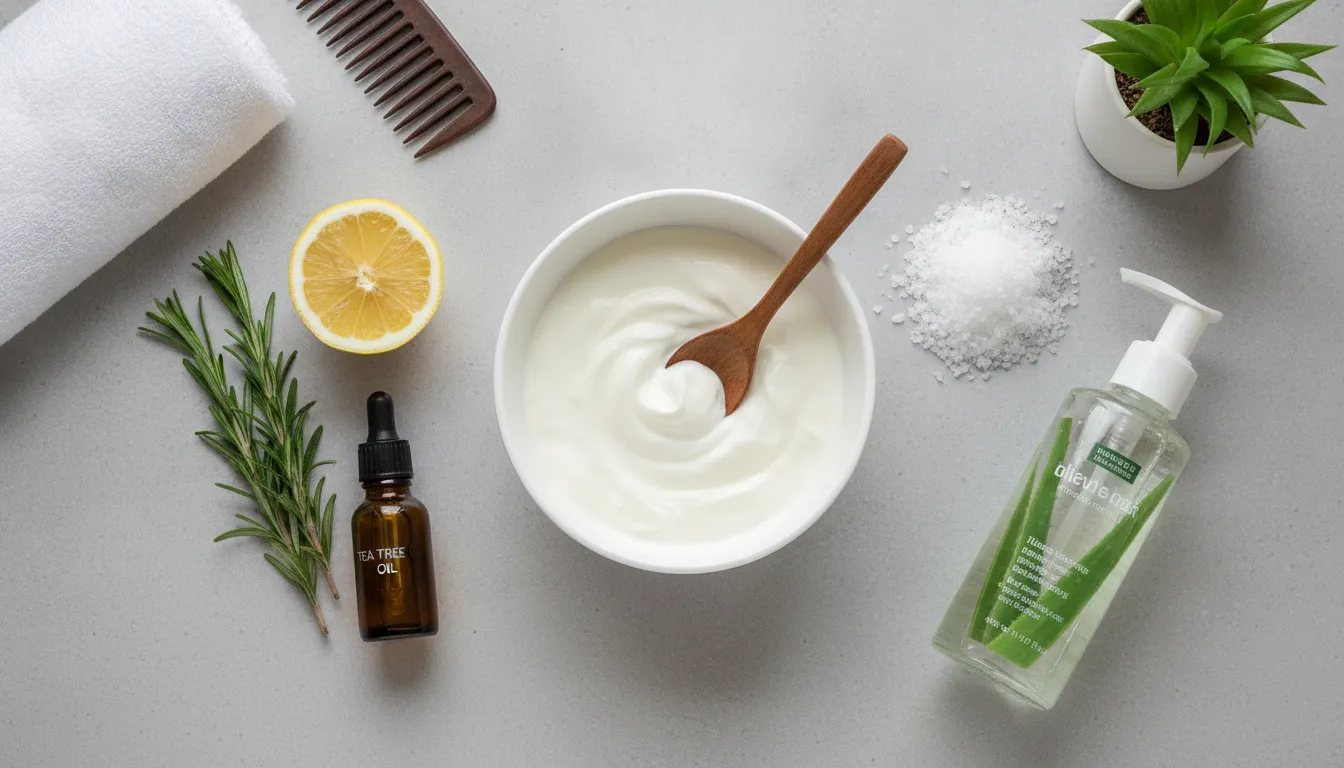
Dandruff doesn’t mean you have poor hygiene, and it isn’t always caused by a dry scalp. Oil, natural skin microorganisms, hair products, and other skin conditions can all play a role. That’s why a shampoo that works for one person may not suit another. If flakes or itching are bothering you, a few practical changes can help you find a routine that feels right. This guide covers common dandruff treatment ingredients, safe shampoo habits, and home care that can support your scalp. It also explains when ongoing irritation, sores, or hair loss call for a dermatologist’s advice.
Key Takeaways
- Flakes can have different causes: Dandruff may involve scalp oil, Malassezia, or product irritation, while other skin conditions can look similar. Persistent symptoms deserve an accurate assessment.
- Use dandruff shampoo as directed: Choose an active ingredient, apply it to your scalp, follow the label, and adjust your washing routine to your hair type and scalp’s response.
- Know when to seek dermatology care: Contact a dermatologist if symptoms do not improve after several weeks of correct shampoo use, or if you develop severe itching, redness, pain, sores, or hair loss.
What Is Dandruff, and What Causes It?
Dandruff is a common scalp condition that causes visible flakes and may also cause itching or irritation. It can come and go, and symptoms range from a few flakes to more persistent discomfort. Several factors can contribute, so flakes alone may not tell you exactly what’s happening. The American Academy of Dermatology’s guide to dandruff notes that oily skin, hair-care habits, and certain medical conditions can all play a role.
Spot flakes, itching, and irritation
Dandruff often appears as small white or yellowish flakes in your hair or on your shoulders. Your scalp may feel itchy, tight, or mildly irritated, though some people notice flakes without much discomfort. Flaking may be easier to spot after brushing or when wearing dark clothing. It can also become more noticeable when the scalp is oily.
These signs can overlap with other scalp concerns, so flakes alone don’t confirm dandruff. Pay attention to whether your scalp looks red, where the flakes appear, and whether symptoms change after using a particular product or adjusting your washing routine. Healthline’s overview of dandruff describes flaking and itching as common symptoms. Try not to scratch, since scratching can irritate the scalp further. If itching is severe or the skin develops sores, seek medical advice.
Tell dandruff from dry scalp, seborrheic dermatitis, and other conditions
Dry scalp and dandruff can both cause flakes, but dryness may come with a tight or rough feeling. Dandruff is often linked to oilier skin, and the flakes may look larger or yellowish. These differences can offer clues, but they aren’t enough to diagnose the cause.
Seborrheic dermatitis can cause ongoing flaking, redness, and greasy scale on the scalp. It may also affect other oily areas, such as the sides of the nose. Eczema, psoriasis, and some infections can cause scalp symptoms that resemble dandruff. The Columbia Doctors guide to dandruff explains that several conditions can lead to scalp flaking. If symptoms persist despite over-the-counter care, or you’re unsure what’s causing them, a dermatologist can examine your scalp and recommend appropriate treatment.
Learn how oil, Malassezia, and irritation contribute
Malassezia is a type of yeast that naturally lives on many people’s scalps. In some people, the scalp reacts to the yeast or to substances produced when skin oil breaks down. This reaction can cause irritation and speed up the shedding of skin cells. When those cells stick together and shed in larger groups, flakes become more visible.
Scalp oil is normal and doesn’t mean you’re doing anything wrong. The amount of oil your skin produces, your sensitivity to it, and your response to Malassezia can all influence symptoms. Hair products may also irritate some scalps. The Better Health Channel’s explanation of dandruff and itchy scalp describes how inflammation can cause skin cells to clump together. Because more than one factor may be involved, a routine that helps one person may not work for another.
Know that dandruff is common, not a hygiene issue
Dandruff is common and does not mean your scalp is dirty. Washing less often can allow oil and loose skin to build up, but washing too frequently for your hair and scalp may cause dryness or irritation. A comfortable washing schedule depends on your hair type, scalp, and styling products.
You can try a shampoo labeled for dandruff, following the product directions. Stop using it if you develop burning, a rash, or worsening irritation. If flakes and itching continue despite correct use, or you notice pain, redness, sores, or hair loss, ask a dermatologist for an assessment. Dermaclinique offers medical dermatology care in St. Petersburg, Clearwater, and the Tampa Bay area.
Which Dandruff Treatment Should You Choose?
The best dandruff shampoo depends on your symptoms, hair-care routine, and how your scalp responds. Check the active ingredient on the label, follow the instructions, and give the product time to work. If one option doesn’t help, another ingredient may suit you better.
Use ketoconazole or zinc pyrithione to target yeast
Ketoconazole and zinc pyrithione are common ingredients in dandruff shampoos. They can help control Malassezia, a yeast that naturally lives on the skin and may contribute to dandruff in some people. These ingredients may be worth trying if you have recurring flakes and an itchy scalp.
Apply the shampoo to your scalp and use it as directed on the label. The recommended schedule and contact time can differ between products, so check the instructions before each use. The American Academy of Dermatology lists ketoconazole and zinc pyrithione among the active ingredients that can help treat dandruff. If your scalp becomes irritated, stop using the product and consider asking a dermatologist what to try next.
Try selenium sulfide or coal tar to control flakes
Selenium sulfide and coal tar are other active ingredients found in dandruff shampoos. Selenium sulfide can help manage dandruff, but it’s important to rinse it out thoroughly and follow the product directions. Some formulas may affect light-colored, dyed, or chemically treated hair, so check the label and ask your stylist or dermatologist if you’re unsure.
Coal tar may help slow the buildup of skin cells and reduce scaling. It can make skin more sensitive to sunlight, so follow the product’s precautions about sun exposure. These ingredients aren’t right for everyone, and the best choice depends on your symptoms and hair-care needs. Stop using a shampoo if it causes significant irritation, and contact a dermatologist if flakes or discomfort continue.
Use salicylic acid to loosen stubborn scale
Salicylic acid helps loosen thick flakes and scale, making it easier to wash buildup from the scalp. It may be useful when visible scaling is your main concern. Because it can dry the scalp and hair, use it according to the label and consider applying conditioner to your hair lengths afterward.
Avoid scratching, picking, or scraping at flakes. These habits can irritate the skin and leave the scalp more uncomfortable. If the scale remains despite careful use, or you notice redness, soreness, or sores, check in with a dermatologist. Persistent buildup can have causes other than dandruff, and treatment depends on what’s behind it. A dermatologist can examine your scalp and help you choose an option that fits your symptoms and hair-care routine.
Match ingredients to symptoms and follow directions
Think about what’s bothering you most when choosing a shampoo. Ketoconazole, zinc pyrithione, and selenium sulfide may help manage dandruff, while salicylic acid can loosen scale. No single ingredient works for everyone, so notice whether flakes, itchiness, or irritation improve after you start using a product.
Apply medicated shampoo to the scalp, not just the hair. Follow the label for how long to leave it on before rinsing, since some products need several minutes of contact. The AAD advises following the shampoo’s directions, as instructions vary by ingredient and product. Don’t use a shampoo more often or leave it on longer than recommended. If you’re unsure which ingredient to try, a dermatologist can help guide your choice.
Change shampoos if irritation or symptoms persist
If a dandruff shampoo doesn’t help after several weeks of consistent use, consider trying a product with a different active ingredient. Some people alternate shampoos, but check each product’s directions before doing so. Avoid combining treatments or changing your routine too often, since that can make it harder to tell what’s helping.
Stop using a shampoo if it causes burning, significant irritation, or a worsening rash. If symptoms persist despite correct use, or you have severe itching, pain, sores, or hair loss, seek medical advice. A dermatologist can check whether another scalp condition is contributing and recommend an appropriate treatment. Dermaclinique provides medical dermatology care for patients in St. Petersburg, Clearwater, and the surrounding Tampa Bay area.
How Do You Use Dandruff Shampoo, and When Will It Work?
Apply shampoo to your scalp as directed
Dandruff shampoo needs to reach your scalp, where flaking and irritation start. Part your hair in a few places if needed, then massage the product gently into your scalp with your fingertips. Focus on the skin rather than shampooing only the lengths of your hair, and avoid scratching with your nails.
Check the label for how often to use the shampoo and whether it suits your hair type. Some formulas need to stay on the scalp for several minutes before rinsing. The American Academy of Dermatology’s dandruff shampoo guidance explains why following the product’s directions matters: use and contact time can vary by formula. If you’re unsure how to apply it, ask a pharmacist or dermatologist.
Leave it on for the recommended time, then rinse
After working the shampoo into your scalp, leave it on for the amount of time listed on the label. Some products call for a short wait, while others may need to remain on the scalp for five to 10 minutes. That contact time gives the active ingredient a chance to work. Leaving shampoo on longer than directed won’t necessarily help and could irritate your scalp.
When the time is up, rinse your scalp and hair thoroughly. If the shampoo causes burning, a rash, or significant itching, stop using it and seek advice from a healthcare professional. If the label is unclear, ask a pharmacist or dermatologist rather than guessing. A product’s instructions are a better guide than a general rule, especially if you have sensitive skin or color-treated hair.
Set a wash schedule; alternate ingredients only as directed
Use dandruff shampoo as often as the label recommends. The right schedule depends on the product, your symptoms, and your scalp and hair type. Some people need medicated shampoo more frequently at first, while others use it less often. On other wash days, you can use a regular shampoo that feels comfortable and doesn’t leave your scalp irritated.
If one product isn’t helping, first check that you’re applying it to your scalp and following the directions. Don’t combine or alternate medicated shampoos without checking their labels or asking a healthcare professional. A dermatologist can help you decide whether to try a different active ingredient or adjust your routine, particularly if your scalp feels more irritated after you start treatment.
Use shampoo consistently for several weeks, then reassess
Dandruff usually takes repeated washes to improve, so give a product time to work if you’re using it as directed and your scalp tolerates it. The Better Health Channel’s guidance on dandruff and itchy scalp notes that it may take five to 10 washes for dandruff to clear. Follow the label’s schedule, and notice whether flaking, itching, or irritation changes over time.
After several weeks, reassess your symptoms. If they haven’t improved or are getting worse, ask a dermatologist for advice instead of continuing the same routine indefinitely. Persistent flakes can have causes other than dandruff, and the right treatment may depend on what’s affecting your scalp.
Use maintenance shampoo as directed if flakes return
Dandruff can return after it improves. If flakes come back, follow the shampoo’s instructions rather than using it more often or leaving it on longer. Some people use medicated shampoo occasionally to manage recurring symptoms. If the product no longer helps, a different active ingredient may be worth discussing with a dermatologist.
You may be able to alternate medicated shampoo with a regular shampoo if the product directions allow it, particularly if your hair feels dry. ColumbiaDoctors’ dandruff information advises considering a different anti-dandruff shampoo if flakes return after a product initially helped. Stop using a shampoo that causes irritation, and ask a healthcare professional what to try next.
How Should You Treat Dandruff for Your Hair Type?
The right routine depends on your scalp as well as your hair. Wash often enough to manage oil and flakes, apply dandruff shampoo to the scalp, and follow the directions on the product.
Fine or oily hair: Wash as needed
Fine, straight, or naturally oily hair may need frequent washing to remove excess oil and help manage flakes. You may be able to wash daily and use dandruff shampoo about twice a week, adjusting if your scalp or hair becomes dry or irritated.
Work the shampoo into your scalp rather than focusing on the hair lengths. Follow the label for how long to leave it on before rinsing. The American Academy of Dermatology’s dandruff guidance recommends frequent washing for fine or oily hair, with dandruff shampoo used as needed. If a product causes discomfort, stop using it and consider asking a dermatologist about another option.
Dry, curly, coily, or textured hair: Focus on the scalp and adjust frequency
Wash as often as your hair and scalp need. If you have dry, curly, coily, or textured hair, you might try dandruff shampoo about once a week, if tolerated. Apply it to your scalp, where flakes develop, rather than rubbing it through the lengths, which may become dry.
Follow the product directions and adjust how often you use it if you notice irritation or excess dryness. Hair and scalp needs vary, so a routine that works for someone else may not suit you. The AAD’s recommendations for curly and coily hair also advise focusing dandruff shampoo on the scalp.
Color-treated or chemically treated hair: Check product directions
If your hair is color-treated, relaxed, or otherwise chemically treated, read the dandruff shampoo label before using it. Directions vary by product, including how often to apply it and how long to leave it on before rinsing. Some formulas need several minutes of contact with the scalp to work as directed.
Apply the shampoo to your scalp and avoid coating the hair lengths. If you’re unsure whether a product is suitable for your hair treatment, ask your stylist or a dermatologist. The AAD explains how to use dandruff shampoo, including why it’s important to follow the specific instructions on the label.
Condition hair lengths to limit dryness
Frequent washing or dandruff shampoo can leave hair feeling dry. After rinsing, apply conditioner to the mid-lengths and ends to help keep them soft. A conditioner made to pair with your dandruff shampoo may be a good choice; the Better Health Channel’s guidance on dandruff and itchy scalps notes that conditioner choice can affect shampoo performance.
If conditioner makes your roots feel oily or leaves buildup, keep it away from your scalp. Ongoing dryness or irritation may be a sign to adjust how often you use the shampoo or ask a dermatologist for advice.
What Home Care Can Support Dandruff Treatment?
Home care can support dandruff treatment, especially when you pair a consistent scalp-care routine with a shampoo suited to your symptoms. The right approach can depend on your hair type, scalp sensitivity, and how often you use styling products.
Wash regularly and remove product buildup
Regular washing can clear away excess oil, flakes, and residue from styling products. How often to wash depends on your scalp and hair. An oily scalp may feel better with more frequent washing, while dry, curly, or coily hair may need a less frequent schedule. Work shampoo into your scalp gently, rather than scrubbing the lengths of your hair.
If you use gels, sprays, or other styling products, rinse and cleanse your scalp thoroughly to help prevent residue from building up. The Better Health Channel notes that regular shampooing may help prevent dead skin from accumulating. For medicated dandruff shampoo, follow the label, including how long to leave it on before rinsing.
Avoid scratching and stop using irritating products
Scratching may feel relieving in the moment, but it can irritate your scalp further and sometimes cause small sores or crusts. Instead, try gently pressing the itchy area, and keep your nails short to reduce the chance of breaking the skin. If itching is intense or persistent, a dermatologist can help determine what is causing it.
Notice whether a shampoo, styling product, or hair treatment makes your scalp sting, burn, or itch more. Stop using a product you suspect is irritating your skin, and check its directions before trying something new. If one dandruff shampoo doesn’t help, the American Academy of Dermatology suggests trying a product with a different active ingredient. Stop using a product and seek medical advice if you develop a strong reaction.
Manage stress if it triggers flares; don’t rely on diet changes as a cure
Some people notice more flaking or itching during stressful periods. If you see that pattern, try manageable habits such as taking breaks, getting enough sleep, or making time for activities that help you unwind. These steps may support your overall well-being, but they aren’t a substitute for dandruff treatment or medical advice when symptoms continue.
No single food or diet change is a reliable cure for dandruff. Avoid cutting out foods or starting supplements without a clear reason or guidance from a health professional. Instead, pay attention to whether a particular routine seems to affect your symptoms. Because dandruff can have different contributing factors, treatment may depend on its cause and severity, as Healthline explains.
Keep up steady care because dandruff can return
Dandruff may improve with treatment and then return, so keep using a shampoo that works according to its directions. Some products are intended for regular use, while others should be used less often. Don’t use more than directed or leave shampoo on longer in hopes of getting faster results. If flakes return, follow the product instructions and monitor how your scalp responds.
If symptoms don’t improve after several weeks of correct use, or if they become severe, check in with a dermatologist. You may need a different active ingredient, prescription treatment, or an evaluation for another scalp condition. Dermaclinique offers medical dermatology care for patients in St. Petersburg, Clearwater, and the Tampa Bay area.
Do Natural Dandruff Remedies Work?
Some home remedies may soothe dryness, but that doesn’t mean they treat dandruff or work as well as medicated shampoo. Natural ingredients can also irritate sensitive skin. If you try one, use it cautiously, stop if symptoms worsen, and avoid applying anything to scratched or broken skin.
Use tea tree oil cautiously: It may irritate skin, and evidence is limited
Tea tree oil has antimicrobial and anti-inflammatory properties, but there’s limited evidence that it reliably treats dandruff. It may also cause irritation or an allergic reaction, especially when applied directly to the scalp. Don’t use it on raw, scratched, or broken skin.
If you’re considering a tea tree oil product, follow its label and stop using it if you notice burning, redness, or worsening itch. The AANMC’s guidance on natural dandruff treatments also cautions against applying essential oils directly to skin. For persistent flakes, a dandruff shampoo with an active ingredient is a more established option.
Avoid apple cider vinegar and baking soda; they’re unproven and may irritate
Apple cider vinegar and baking soda are often recommended as dandruff remedies, but there isn’t strong evidence that they treat the condition. Vinegar is acidic, while baking soda is alkaline. Either may irritate an already itchy or inflamed scalp, and both can sting if you have scratched skin.
Instead of experimenting with kitchen ingredients, consider a dandruff shampoo and use it as directed. If your scalp is sore or sensitive, check with a healthcare professional before trying a home remedy. Nova Hospital Meerut’s overview of home remedies notes that evidence for vinegar and baking soda is limited.
Use coconut oil for moisture, not as a reliable treatment
Coconut oil may moisturize dry skin and help your scalp feel more comfortable. However, it should not replace dandruff shampoo. Moisturizing may ease dryness, but it doesn’t necessarily address the factors contributing to dandruff or clear persistent flakes.
If you try coconut oil, use a small amount and notice how your scalp responds. Stop if itching or flaking gets worse. If you’re unsure whether dryness, dandruff, or another scalp condition is causing your symptoms, a dermatologist can help assess the cause. Medical News Today’s review of natural dandruff remedies describes coconut oil as a possible moisturizer, not a dependable primary treatment for dandruff.
Don’t apply undiluted essential oils to your scalp
Essential oils are concentrated, and applying them directly to the scalp can cause irritation or an allergic reaction. Tea tree oil is one example. Diluting an oil may reduce the risk of irritation, but it doesn’t guarantee that it will be suitable for your skin. Avoid essential oils altogether on raw, scratched, or broken skin.
A product formulated for scalp use may be a better choice than mixing oils at home. Follow the label and stop using the product if you notice redness, burning, or increased itching. If dandruff or irritation continues despite careful home care, Dermaclinique’s dermatology team can help evaluate your scalp and discuss treatment options.
When Should You See a Dermatologist for Dandruff?
Dandruff often improves with over-the-counter shampoo, but ongoing or severe symptoms may need medical attention. A dermatologist can examine your scalp, recommend a different treatment, and check whether another condition may be causing the flakes.
Seek care if shampoo doesn’t help after several weeks of correct use
Use an over-the-counter dandruff shampoo consistently for several weeks, following the product directions. Apply it to your scalp and leave it on for the time specified on the label, if directed. If flakes and itching do not improve, or they return despite regular use, make an appointment with a dermatologist.
The shampoo may not contain the right active ingredient for your symptoms, or you may need a prescription treatment. The American Academy of Dermatology’s guidance on dandruff recommends seeking help when symptoms are severe or do not respond to dandruff shampoo. A dermatologist can assess your scalp and suggest next steps. Avoid using medicated shampoo more often than its label recommends, since this may irritate your skin.
Get help for severe itching, redness, pain, sores, or hair loss
Contact a dermatologist if itching is intense, your scalp stays red or painful, or you notice sores, crusting, or hair loss. These symptoms can have causes beyond dandruff, and scratching may further irritate the skin. A red, swollen scalp or open sores deserve prompt medical attention, especially if they are getting worse.
Hair loss can have many causes, so it is best not to assume dandruff is responsible. While waiting for an appointment, try not to scratch or pick at the affected area. Note when the symptoms began and whether anything seems to make them better or worse. This information can help your dermatologist assess your scalp and determine what care may be appropriate.
Ask if another scalp condition or prescription treatment may be involved
Dandruff can resemble seborrheic dermatitis, psoriasis, eczema, or a fungal infection. These conditions may need different treatments, so trying product after product without knowing the cause can leave your scalp irritated. A dermatologist can examine your scalp, ask about your symptoms and hair-care routine, and recommend care based on their assessment.
If dandruff is severe or does not improve with shampoo, a prescription treatment may be an option. Depending on the cause, treatment could include a stronger shampoo or medication applied to the scalp. The Better Health Channel’s overview of dandruff and an itchy scalp notes that treatment options can vary with symptom severity. Use prescription products only as directed by your clinician, and do not use someone else’s medication.
Find individualized dermatology care in St. Petersburg, Clearwater, and Tampa Bay
If scalp symptoms persist, a dermatologist can help identify the cause and discuss what to try next. Before your visit, write down the shampoos and other products you have used, how often you use them, and any symptoms such as itching, redness, sores, or hair loss. Bring the products or take photos of their labels if you are unsure which ingredients they contain.
Dermaclinique offers individualized medical dermatology care for patients in St. Petersburg, Clearwater, and the Tampa Bay area. An appointment can help determine whether your symptoms fit dandruff or may point to another scalp concern, then guide a care plan tailored to your needs. Visit Dermaclinique for information about the practice and its locations.
Frequently Asked Questions
How long does dandruff shampoo take to work?
It may take several washes over a few weeks to see improvement. Follow the product label for how often to use it and how long to leave it on your scalp. If symptoms don’t improve after consistent use, ask a dermatologist about other options.
Can I use dandruff shampoo every day?
That depends on the product, your scalp, and your hair type. Check the label rather than assuming daily use is appropriate. If your hair or scalp becomes dry or irritated, adjust your routine according to the instructions or ask a dermatologist for guidance.
Which dandruff shampoo ingredient should I try first?
Different active ingredients can help with different concerns. Ketoconazole, zinc pyrithione, and selenium sulfide may help manage dandruff, while salicylic acid can loosen scale. If one product doesn’t help or irritates your scalp, consider asking a dermatologist which ingredient may be a better fit.
Do natural remedies like tea tree oil or apple cider vinegar cure dandruff?
They aren’t dependable dandruff treatments, and some home remedies can irritate the scalp. Medicated shampoo is a more established option. Stop using any product or remedy that causes burning, redness, or worsening itch.
When should I see a dermatologist for dandruff?
Make an appointment if symptoms continue despite several weeks of correct shampoo use, or if you have severe itching, persistent redness, pain, sores, or hair loss. A dermatologist can check whether another scalp condition may be causing your symptoms and recommend appropriate care.