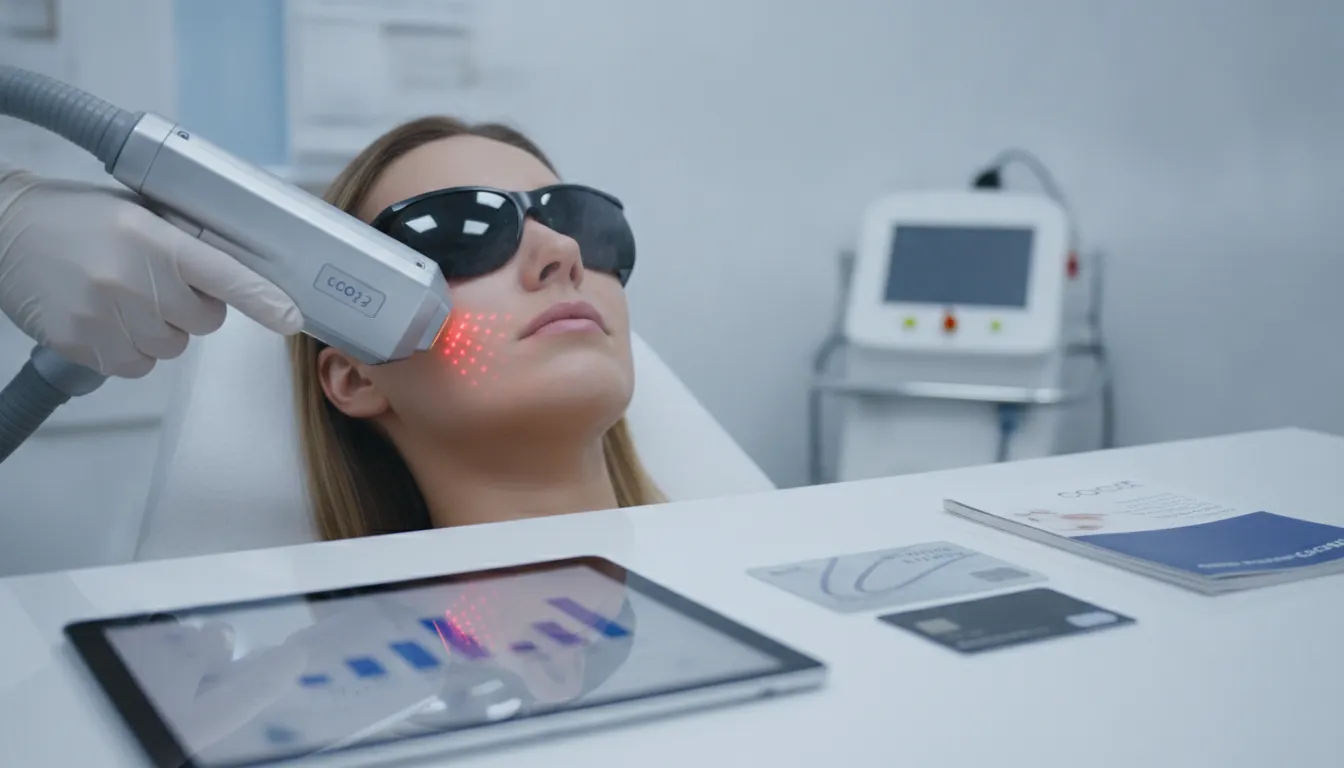
A price listed online can be a useful starting point, but it rarely tells the whole story of CO₂ laser resurfacing. The CO2 laser resurfacing cost may include only the procedure, while consultation, numbing, prescriptions, aftercare, or follow-up appointments may be billed separately. Your final estimate also depends on the area being treated and the treatment plan your dermatologist recommends. Since CO₂ lasers remove controlled layers of skin, safety and recovery deserve as much attention as price. Before booking, learn what to ask about fees, provider experience, expected downtime, and potential risks. Comparing complete treatment plans can help you make an informed choice without relying on a headline price alone.
Key Takeaways
- Plan for the full cost: Fees depend on your treatment plan, and extra expenses may include consultations, medication, aftercare, or follow-up visits.
- Compare written estimates carefully: Check that each quote covers similar treatment areas, sessions, and services before comparing prices or financing options.
- Get personalized medical advice: A dermatologist can assess whether CO₂ resurfacing suits your skin, explain likely results and recovery, and review risks and alternatives.
What CO₂ Laser Resurfacing Treats and How It Works
CO₂ laser resurfacing may improve the appearance of certain wrinkles, sun damage, uneven texture, and scars. The treatment and settings are tailored to the concern, the area being treated, and your skin and health history. A dermatologist can explain what level of improvement is realistic and whether the expected recovery fits your needs.
How Ablative CO₂ Lasers Resurface Skin
CO₂ lasers are ablative, which means they remove controlled amounts of skin at the surface. The laser also heats tissue beneath it, prompting a healing response and collagen remodeling. Over time, this process may soften some lines and improve the look and feel of treated skin. The American Board of Cosmetic Surgery explains how CO₂ lasers are used for concerns including wrinkles and scars.
Because treatment removes skin, healing is an important part of the process. Redness, swelling, and peeling can occur, and recovery time varies with the treatment’s depth and intensity. Your dermatologist should provide clear aftercare instructions and explain which symptoms are expected, as well as when to contact the clinic.
Compare Fractional and Fully Ablative Treatments
Fractional CO₂ treatment creates tiny columns of treated skin while leaving nearby areas untreated. Those untreated areas help support healing. Fractional treatment is often used for cosmetic resurfacing, and recovery may be shorter than with fully ablative treatment, depending on the settings and the area treated.
Fully ablative resurfacing treats a broader, continuous area of skin. It can be more intensive and may involve longer recovery. The CareCredit guide to ablative and non-ablative resurfacing explains that ablative lasers remove outer skin layers and heat deeper tissue. Your dermatologist can discuss which approach, if either, fits your concerns, and how each may affect results, risks, and healing.
Match Skin Concerns With Treatment Goals
CO₂ resurfacing may be considered for etched-in lines, sun damage, rough texture, and some acne scars. It can help reduce the appearance of wrinkles and facial scarring, improve uneven texture, and support collagen production. The American Board of Cosmetic Surgery’s treatment overview notes that static wrinkles, sun damage, and acne scarring may respond well.
Results vary, and treatment is not suitable for every person or every cause of discoloration. Skin type, medical history, medications, and previous procedures can all affect candidacy and the risk of side effects, including changes in pigmentation. At your consultation, share the concerns you most want to address and ask what improvement is realistic. Your dermatologist can also discuss alternatives if CO₂ resurfacing is not the right fit.
How Much Does CO₂ Laser Resurfacing Cost?
CO₂ laser resurfacing can cost from several hundred dollars to several thousand dollars. Your price depends on the treatment plan your dermatologist recommends, including the size of the area, the depth of resurfacing, the laser approach, and what the clinic includes in its fee. Because clinics may quote prices in different ways, there is no single cost that applies to every patient.
Online price ranges can help you plan, but they are not a personalized estimate. A price for a small treatment area may not compare with one for full-face resurfacing, and a per-session fee may leave out consultations, medication, or follow-up care. Ask what the estimate covers and whether your plan may require more than one session.
Cost matters, but CO₂ laser resurfacing is a medical procedure with potential risks, including infection, scarring, and changes in skin pigmentation. Choose a qualified provider who can assess your skin and discuss likely results, risks, recovery, and fees. The details below can help you understand common estimates and compare them more clearly.
Typical Price Ranges and Per-Session Costs
Published estimates vary. Regeneris Boston lists a broad cost range of about $2,446 to $6,700 for CO₂ laser treatments, while a single session may cost between $500 and $3,000. These figures are general estimates, not a promise of what a clinic near you will charge. The Regeneris Boston cost overview notes that factors such as treatment area and laser technology can affect pricing.
When you receive an estimate, check whether it covers one session or the full treatment plan. Your dermatologist will recommend an approach based on your skin concerns and goals, and the number of sessions can vary. Ask how many sessions are expected, what each one costs, and whether related care is included. Comparing the likely total cost gives you a clearer picture than looking at a single-session price alone.
How Provider and Location Affect Prices
Prices may differ from one clinic to another because local operating costs, treatment settings, and provider experience vary. A dermatologist’s training and experience with laser resurfacing may also affect the fee. Location can influence pricing, but a lower quote does not explain what care is included or whether the treatment is appropriate for your skin.
Include safety in your comparison. Ask who will assess your skin, perform the procedure, and provide follow-up care. CO₂ resurfacing can cause complications when performed inappropriately. Allen Medical Aesthetics cautions against choosing a provider based only on price, noting risks such as scarring, infection, and lasting pigmentation changes. Its CO₂ laser cost guidance can help you prepare questions about provider qualifications, the treatment setting, and how complications are handled.
Why Advertised Prices May Not Show the Full Cost
An advertised price may apply only to a particular treatment area, laser approach, or promotional offer. It may not include the consultation, facility costs, anesthesia, prescriptions, or follow-up appointments. A clinic may also advertise the fee for one session even if your dermatologist recommends several. Before you book, request a written estimate that separates the procedure fee from other expected charges.
Ask whether the price could change if your dermatologist recommends a different treatment area or depth after examining your skin. Regeneris Boston notes that treatment area and technology can affect costs, and that financing options may be available. The clinic’s CO₂ laser cost information is a useful starting point, but confirm payment terms and the total expected cost directly with your provider. Also ask what happens to the estimate if your treatment plan changes.
Compare Estimates on Equal Terms
For a fair comparison, check that each estimate describes a similar treatment plan. Look at the area being treated, whether the procedure is fractional or fully ablative, the number of sessions, and the services included. One clinic may quote the procedure alone, while another includes consultation and follow-up care. The smaller price may not be the lower total cost.
Ask each clinic for an itemized estimate and an explanation of any differences in the recommended plan. Your dermatologist should assess your skin, discuss your goals, and outline expected costs before treatment. Venice Ave Dermatology explains how a provider can review the plan and its expenses in advance in its CO₂ laser cost guide. Keep the written estimates together so you can compare treatment details, fees, and follow-up care side by side.
Key Factors That Affect CO₂ Laser Resurfacing Costs
CO₂ laser resurfacing costs depend on more than the length of an appointment. The treatment area, laser approach, provider’s experience, and your individual skin and health history all help shape the plan and its price. A consultation can clarify what your provider recommends and what the estimate includes.
Consider Treatment Area, Depth, and Skin Concerns
Treating a small area, such as the skin around the mouth, may cost less than resurfacing the full face. The depth and extent of your skin concerns also matter. A plan for mild sun damage may differ from one addressing deeper wrinkles or acne scars, which can require more extensive treatment.
Published prices vary widely. One Boston practice lists CO₂ laser treatment costs from $500 to $6,700, depending on factors such as the treatment area and technology. Use this range as a general reference, not a personal estimate. During your consultation, ask which areas your dermatologist recommends treating and why. This overview of CO₂ laser resurfacing costs explains some of the factors that can affect pricing.
Account for Laser Approach and Recommended Sessions
CO₂ resurfacing may use a fractional or fully ablative approach. The right option depends on your skin concerns, treatment goals, and the recovery involved. Your provider may recommend one session or a series, depending on the plan and how your skin responds. The number of sessions can affect the total cost, so ask for an estimate that reflects the full recommended course rather than only the first appointment.
One practice reports per-session prices ranging from $500 to $3,000, with the extent of the concerns and the technology used among the factors affecting cost. These figures are not a guarantee of what you will pay. Ask your dermatologist why they recommend a particular approach, how many sessions they anticipate, and whether the plan could change after your skin heals. This pricing overview can help you prepare questions.
Evaluate Provider Expertise and Treatment Setting
A provider’s training and experience, along with the treatment setting, can affect the fee. CO₂ laser resurfacing requires careful planning and precise technique, so don’t compare estimates by price alone. Ask who will perform the procedure, what experience they have with CO₂ lasers, and how they handle follow-up care or possible complications.
Check what the estimate includes, such as consultation, facility fees, anesthesia, and aftercare instructions. If any of these are billed separately, ask for the expected amounts so you can compare quotes fairly. A cost discussion from an aesthetic practice highlights the importance of the person operating the laser. Before you decide, make sure you understand the provider’s credentials, safety procedures, and plan for your skin.
Consider Skin Type, Health History, and Candidacy
Your skin type, medical history, and current skin condition help determine whether CO₂ resurfacing is appropriate and how treatment should be planned. Share relevant information with your dermatologist, including medications, past procedures, a history of cold sores or scarring, and any current skin conditions. These details may affect preparation, treatment choices, or recovery guidance.
Some people seek CO₂ resurfacing for wrinkles or certain scars, but candidacy depends on an individual assessment. Skin tone and a history of pigment changes may also be important to discuss, as resurfacing can carry a risk of changes in skin color. U.S. Dermatology Partners’ guide describes common treatment concerns. Ask your dermatologist to explain the potential benefits, risks, recovery, and alternatives before you commit to a treatment plan.
Include These Additional Expenses in Your Budget
The procedure price may not cover every cost associated with CO₂ laser resurfacing. Before booking, ask for an itemized estimate that explains what is included and what may be billed separately. This gives you a clearer picture of the total expense and helps you compare treatment plans.
Consultation, Facility, and Anesthesia Fees
Your initial consultation may have a separate fee. Depending on where and how treatment is performed, your estimate may also include a facility fee for the treatment space and equipment, as well as anesthesia or numbing medication. These charges vary, so ask the clinic which ones apply to your plan.
The CO₂ laser cost guide from Venice Ave Dermatology identifies facility fees and anesthesia among the expenses that can affect the total. Ask whether your consultation fee is credited toward treatment, when each charge is due, and whether the quote could change if your treatment plan changes.
Prescriptions, Aftercare, and Follow-Up Visits
Aftercare may involve additional costs. Your dermatologist may recommend prescription medication, wound-care supplies, or specific skin-care products as your skin heals. Follow-up appointments may also be included in the procedure price or billed separately. Ask which products and visits your treatment plan includes, and whether you can use skin-care items you already own.
The Regeneris Boston overview of CO₂ laser resurfacing describes how costs can vary based on the treatment area and skin concerns being addressed. Your estimate will depend on your individual plan, so request written aftercare instructions and ask how many follow-up visits are expected, along with the fee for any additional appointments.
Touch-Ups, Extra Sessions, and Recovery Costs
Ask your dermatologist whether your goals may require more than one session. If additional treatment or a touch-up is recommended, clarify how it will be priced and when your results will be assessed. Don’t assume the initial quote covers future sessions. Your provider can explain what outcomes are realistic and how the treatment plan may change over time.
Recovery can bring indirect costs, too. You may need time away from work, transportation to appointments, help with daily tasks, or supplies not included in your treatment plan. The Allen Medical Aesthetics pricing guide advises patients to look beyond the lowest quote. Compare the full plan, expected recovery, and follow-up fees before deciding.
Does Insurance Cover CO₂ Laser Resurfacing?
Most patients pay for CO₂ laser resurfacing out of pocket because it is generally considered an elective cosmetic procedure. Coverage can depend on why treatment is recommended and the details of your insurance plan, so confirm your benefits before scheduling. Ask the dermatology practice for an itemized estimate, too, so you can see which costs you may need to pay yourself.
Why Cosmetic Procedures Usually Require Out-of-Pocket Payment
Health insurance plans typically do not cover procedures performed for cosmetic reasons alone. The American Society of Plastic Surgeons explains that most plans exclude cosmetic surgery and complications related to it. CO₂ laser resurfacing is commonly treated as elective, so patients should be prepared to pay for treatment themselves.
If your dermatologist recommends resurfacing to address a medical concern, contact your insurer before booking. Ask whether the treatment could qualify for coverage, what records are needed, and whether you need prior authorization. A dermatology practice may be able to provide clinical documentation, but your insurer makes the final decision. CareCredit’s overview of laser resurfacing also notes that coverage generally depends on medical necessity.
Ask About Payment Plans, Financing, and Package Pricing
If you will pay out of pocket, ask the practice whether it offers payment plans or works with a financing provider. Some clinics provide financing for procedures that insurance typically excludes, as Regeneris Boston describes. Review the terms before committing, including interest, fees, repayment period, and the total amount due.
Ask whether your estimate includes follow-up visits and aftercare, and whether package pricing is available if your treatment plan involves multiple sessions. Compare the package price with the cost of paying per session, and confirm that the recommended number of treatments is appropriate for your skin and goals. Some clinics offer discounts for multiple treatments, but make sure you understand the full cost and treatment plan before deciding.
Is CO₂ Laser Resurfacing Worth the Cost?
CO₂ laser resurfacing can be a substantial expense, so weigh the price against your goals, the improvement your dermatologist expects, and the time you’ll need to recover. The treatment may help with wrinkles, sun damage, and acne scars, but results vary. Your skin, the treatment approach, and the provider’s experience all affect what you can expect. No procedure can guarantee a particular outcome.
Start by identifying the concern you most want to address and how much downtime you can manage. Ask your dermatologist whether CO₂ resurfacing suits your skin, what results are realistic, and whether you may need more than one session. The American Academy of Dermatology’s guide to laser resurfacing provides general background, but a personalized assessment is important before deciding.
Compare the full cost of care, not just the procedure fee. Include consultation, aftercare, follow-up, and any time away from work or usual activities. Make sure each estimate covers a similar treatment plan, then consider whether the likely benefits, risks, and recovery fit your priorities and budget.
Assess Results, Longevity, and Maintenance
CO₂ laser resurfacing can produce lasting improvement, but results vary and do not stop the natural effects of aging or sun exposure. Daily sun protection and a skin-care routine recommended by your dermatologist can help protect your skin after treatment. Ask whether maintenance treatments might be appropriate in the future and how they could affect the overall cost.
Be specific about the change you hope to see. A plan for fine lines may differ from one for deeper wrinkles or acne scars, and more intensive treatment can mean more downtime and risk. A CO₂ resurfacing cost guide from Lux Skin Lasers also recommends weighing the price against expected results. Use general cost information as a starting point, then ask your dermatologist what improvement is realistic for your skin.
Weigh Expertise, Personalization, Risks, and Recovery
A low estimate may not include the same medical assessment, treatment planning, or follow-up as a higher one. CO₂ resurfacing removes layers of skin, and potential risks include infection, scarring, changes in skin color, and prolonged redness. Your provider should review your health history, explain how they’ll reduce risks, and tell you whom to contact if you have a concern during recovery.
Ask who will perform the procedure, what relevant training and experience they have, and how they’ll tailor treatment to your skin and goals. Discuss aftercare and how long you may need to pause work or social activities. The American Society for Dermatologic Surgery’s patient guide explains the procedure and common considerations. Your dermatologist can help you understand how those considerations apply to you.
Compare Treatment Value With Your Goals and Alternatives
Consider whether CO₂ resurfacing is the right way to address your main concern. Depending on your skin and goals, your dermatologist may also discuss other laser treatments, prescription skin care, chemical peels, or procedures with less downtime. Each option has different costs, risks, benefits, and limits.
Ask how much improvement each option may provide, how many sessions might be needed, and what the estimated total cost could be. Some patients may be candidates for one treatment, while others may need a different approach or additional sessions. A CO₂ laser cost overview from Allen Medical Aesthetics discusses comparing the procedure with ongoing treatments, but that comparison may not apply to your situation. Base your decision on a clinical assessment and a treatment plan that reflects your needs.
Look Beyond the Lowest Quote
Compare estimates only after confirming they cover the same treatment area, laser approach, and level of care. One quote may include consultation and follow-up, while another may cover only the procedure. Request an itemized estimate and ask whether facility, anesthesia, prescription, aftercare, or follow-up fees are extra. Find out, too, how costs may change if your dermatologist recommends adjusting the plan.
Your budget matters, but price alone cannot tell you whether a treatment is suitable or whether a provider is qualified. Ask about credentials, experience treating your concern and skin type, safety protocols, and support during recovery. As the Lux Skin Lasers pricing guide notes, costs can vary based on individual needs. Compare the proposed care and treatment plan alongside the final price.
Get a Personalized CO₂ Laser Resurfacing Estimate
Check What an Itemized Quote Includes
Ask the clinic for a written, itemized estimate rather than relying on an advertised starting price. It should show what the fee covers and which expenses may be billed separately. Depending on your plan, costs may include the consultation, facility fees, anesthesia, prescription medication, aftercare products, and follow-up visits.
Confirm whether the estimate applies to the full treatment area and all recommended sessions. If additional appointments or products may be needed during recovery, ask how those costs are handled. Venice Ave Dermatology’s cost guide lists facility fees, anesthesia, medication, and aftercare among the expenses patients may want to discuss. Clarifying these details before scheduling can help you plan your budget and compare quotes on equal terms.
Ask About the Treatment Plan and Total Fees
Your estimate should reflect your skin concerns, the area being treated, and your goals. Ask which type of CO₂ laser treatment the dermatologist recommends, how many sessions they expect you may need, and what results are realistic for you. Find out whether the quoted price covers a single session or the full recommended plan.
Ask what might change the total, such as treating a larger area or adjusting the treatment approach. As Lux Skin Lasers explains in its cost guide, pricing varies according to individual needs. Request a written estimate that separates the planned treatment from optional services and possible follow-up costs. This gives you a clearer picture of the expected expense before you commit.
Learn How a Dermatologist Assesses Candidacy and Tailors Treatment
Before recommending CO₂ laser resurfacing, a dermatologist should review your medical history, medications, skin concerns, and healing history. Mention active acne, previous skin treatments, a history of scarring or slow wound healing, and any relevant health conditions or medications. These details can affect whether treatment is appropriate and how the plan is tailored.
CO₂ lasers are ablative, meaning they remove layers of skin, so screening is an important part of the consultation. The American Board of Cosmetic Surgery’s overview describes factors providers may assess because they can affect complication risk. Ask why a particular approach suits your needs, what recovery may involve, and which risks apply to you. Your treatment plan should account for your health as well as your cosmetic goals.
Compare Estimates and Prioritize Safety and Quality of Care
When comparing estimates, look at the proposed treatment plan as well as the price. Check whether each quote covers the same treatment area, laser approach, number of sessions, anesthesia, aftercare, and follow-up. A lower estimate may reflect a different plan or leave out expenses another clinic has included.
Ask who will perform your procedure, what experience they have with CO₂ lasers, and how the clinic provides follow-up care. Discuss potential risks, including scarring, infection, and changes in skin pigmentation, and ask how the provider works to reduce them. Allen Medical Aesthetics’ cost guide advises patients to look beyond price when choosing a provider. Before deciding, make sure the clinic explains the expected recovery, risks, and total fees clearly.
Related Articles
- CO2 Laser Resurfacing in St. Petersburg, FL | Dermaclinique
- Microneedling with PRP & CO2 Laser Resurfacing – Priya Nayyar, M.D.
- Erbium Laser Resurfacing | Priya Nayyar, M.D.
- Lasers Archives – Priya Nayyar, M.D.
- Cosmetic Dermatology St. Petersburg | The Dermaclinique
Frequently Asked Questions
How much does CO₂ laser resurfacing usually cost?
Costs vary by clinic and treatment plan, from hundreds to several thousand dollars. The treatment area, laser approach, number of sessions, and included services all affect the total. Request an itemized estimate based on your dermatologist’s recommendations.
Does health insurance cover CO₂ laser resurfacing?
Insurance usually does not cover resurfacing performed for cosmetic reasons. If your dermatologist recommends it for a medical concern, contact your insurer to ask about coverage, required records, and prior authorization before scheduling.
What costs should I ask about besides the procedure fee?
Check whether the estimate includes your consultation, facility fees, anesthesia, prescriptions, aftercare supplies, and follow-up visits. Ask about the cost of additional sessions, too, and whether the quote covers your full treatment plan.
How can I tell whether CO₂ laser resurfacing is right for me?
A dermatologist can assess your skin, health history, medications, and goals to determine whether treatment may be appropriate. Ask what results are realistic for you, what risks may apply, and whether other options could better suit your needs.
How should I compare estimates from different clinics?
Make sure each estimate covers a similar treatment area, laser approach, number of sessions, and follow-up care. Also ask who will perform the procedure, what experience they have with CO₂ lasers, and how the clinic supports patients during recovery.