
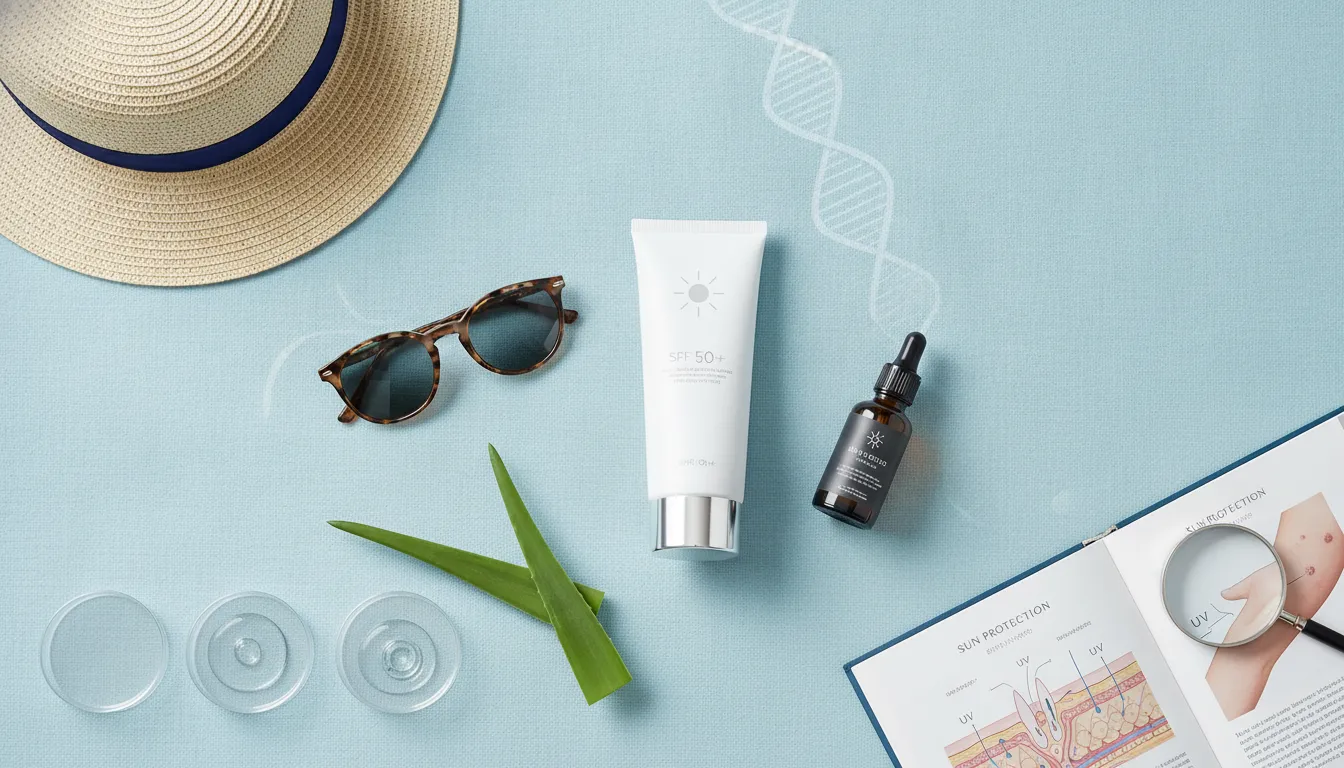
Choosing a sunscreen can bring up plenty of questions. Does SPF 50 mean you can stay outside longer? Is mineral sunscreen better for sensitive skin? Does a cloudy morning mean you can skip it? Sunscreen for skin cancer prevention starts with a few simple principles: choose a broad-spectrum formula with SPF 30 or higher, apply it generously to exposed skin, and reapply according to the label. No sunscreen blocks every UV ray, so other sun-safe habits still matter. This guide explains how sunscreen works, how to compare products, and how to use them effectively, so you can make informed choices for your skin and daily routine.
Key Takeaways
- Make sunscreen part of your routine: Choose broad-spectrum SPF 30 or higher, apply it generously, and reapply as directed, especially after swimming, sweating, or towel drying.
- Use more than sunscreen: Add shade, UPF clothing, a wide-brimmed hat, and UV-blocking sunglasses for more complete sun protection.
- Notice changes and seek care: Check your skin regularly and ask a dermatologist about spots that are new, changing, bleeding, or slow to heal.
How Does Sunscreen Help Prevent Skin Cancer?
Sunscreen reduces the amount of ultraviolet (UV) radiation that reaches your skin. Using it regularly can lower your risk of certain skin cancers, especially when you pair it with other sun-protection habits.
How UVA and UVB rays damage your skin
UVA and UVB rays both damage skin, but they affect it in different ways. UVA rays reach deeper into the skin and contribute to long-term skin injury. UVB rays are a major cause of sunburn. Exposure to either type of UV radiation can damage skin cells and contribute to skin cancer over time.
A broad-spectrum sunscreen is designed to protect against both UVA and UVB rays. As UCSF Health explains, UV exposure can harm your skin even when you don’t see a burn. That’s why sun protection matters during everyday activities, not just at the beach or on especially sunny days.
What consistent sunscreen use can—and cannot—do
Using sunscreen regularly and as directed can help lower your risk of skin cancer. The Skin Cancer Foundation reports that daily use of SPF 15 sunscreen was linked to about a 40% lower risk of squamous cell carcinoma and a 50% lower risk of melanoma. These findings are a good reason to make sunscreen part of your routine, rather than applying it only for long days outdoors.
Sunscreen doesn’t block every UV ray or prevent every case of skin cancer. Protection depends on applying enough to cover exposed skin and reapplying as directed. Keep an eye out for new or changing spots, too. If you have a concern, a dermatologist can assess it. Dermaclinique offers medical dermatology care in the Tampa Bay area.
Why to include sunscreen in a wider sun-protection routine
Think of sunscreen as one part of sun protection, not a reason to stay in direct sunlight longer. The Skin Cancer Foundation recommends pairing it with shade, sun-protective clothing, a wide-brimmed hat, and UV-blocking sunglasses. These steps add coverage and help protect areas you may miss when applying sunscreen.
When you can, seek shade and limit time outdoors during the strongest midday sun. UPF-rated clothing can offer added coverage during outdoor activities. The Melanoma Research Alliance also recommends protective clothing and avoiding peak sun hours. Combining these habits with sunscreen gives you more complete protection than relying on sunscreen alone.
Which Sunscreen Is Best for Skin Cancer Prevention?
There isn’t one sunscreen that works best for everyone. A good starting point is a broad-spectrum product with an SPF of 30 or higher. From there, consider the formula, your skin’s sensitivities, and what you’ll be doing. A sunscreen you like wearing is more likely to become a regular part of your routine.
Sunscreen helps limit your exposure to ultraviolet (UV) radiation, but it can’t block every ray or prevent every case of skin cancer. It works best alongside habits such as seeking shade and wearing protective clothing. The Skin Cancer Foundation’s sunscreen guidance explains what to look for on the label and why regular use matters.
When shopping, check the label for broad-spectrum protection, SPF, active ingredients, and water-resistance information. Also check the expiration date and follow the product’s directions. These details can help you choose a sunscreen that fits your skin and plans, whether you’re heading outside for errands or spending time in the sun.
Choose broad-spectrum SPF 30 or higher
Choose a sunscreen labeled broad spectrum with an SPF of at least 30. Broad-spectrum products protect against both UVA and UVB rays. Both can damage skin and contribute to skin cancer, though UVB is a major cause of sunburn.
SPF measures how well a sunscreen protects against UVB when used as directed. It doesn’t tell you how long you can stay outdoors, and a higher SPF doesn’t mean you can apply less or reapply less often. Apply the amount listed on the label, and follow its directions for reapplication.
Before buying, check that the front label says both “broad spectrum” and “SPF 30” or higher. The Skin Cancer Foundation’s sunscreen recommendations offer more guidance on choosing a product. Remember that sunscreen reduces UV exposure, but it doesn’t eliminate risk or replace other sun-protection habits.
Compare mineral and chemical sunscreens
Mineral and chemical sunscreens can both provide effective sun protection. Mineral formulas use zinc oxide or titanium dioxide to absorb UV radiation, and they may also scatter or reflect some of it. Chemical sunscreens use organic filters, such as avobenzone, that absorb UV radiation and release it as heat.
The difference may matter if you have sensitive skin or a preference for a particular feel or finish. Some people find mineral products less irritating, while others prefer the texture of a chemical sunscreen. Neither type is automatically the right choice for everyone.
Focus on finding a broad-spectrum product with SPF 30 or higher that feels comfortable on your skin. UCSF Health explains how mineral and chemical sunscreens work and notes that both types have been tested for safety and effectiveness. If a product causes irritation, stop using it and ask a dermatologist about alternatives.
Look for zinc oxide, titanium dioxide, or avobenzone
Check the active ingredients on the label when comparing sunscreens. Zinc oxide and titanium dioxide are mineral filters. Avobenzone is a chemical filter that helps protect against UVA rays and may be included in a broad-spectrum sunscreen.
The active ingredients are only part of the picture. Confirm that the product is labeled broad spectrum and has an SPF of at least 30. Then consider whether the formula suits your skin and the activities you have planned. A sunscreen you use for everyday errands may differ from one you choose for swimming or exercise.
UCSF Health’s sunscreen guidance discusses these ingredients and how they protect skin. If you’re unsure what to choose, a dermatologist can help you find options, especially if you have sensitive skin or a history of reactions.
Check water-resistance labels, expiration dates, and ingredient concerns
If you expect to swim or sweat, look for a water-resistance label. Sunscreens may be labeled water resistant for 40 or 80 minutes. No sunscreen is waterproof, so follow the product’s instructions and reapply as directed, including after swimming, sweating, or towel drying.
Check the expiration date before using a bottle. Heat and time can affect sunscreen, and an expired product may not protect as expected. If there’s no expiration date, follow the manufacturer’s instructions. Replace sunscreen if its color, smell, or texture has changed, and store it as directed.
If you have concerns about an ingredient, review the active and inactive ingredient lists. A dermatologist or pharmacist can help you consider alternatives if you’ve had a reaction. Advanced Dermatology’s sunscreen guidance explains what water-resistance labels mean and why it’s worth checking expiration dates.
Choose a formula you’ll use regularly
The best sunscreen for you is one you’ll apply as directed. If a product feels greasy, leaves a cast, stings your eyes, or irritates your skin, try another broad-spectrum sunscreen with SPF 30 or higher. Lotions, creams, sticks, and sprays offer different textures and application options, so you can choose what feels practical for your face, body, and daily routine.
Think about when you’ll use it. A lightweight facial formula may fit comfortably under makeup, while a water-resistant sunscreen may suit time outdoors. If your skin tends to react, test a new product on a small area first. Stop using it if irritation develops, and ask a dermatologist for guidance.
Both mineral and chemical sunscreens can be effective. Focus on finding a formula you’ll wear consistently, as recommended in Cure Melanoma’s sunscreen guidance. If you have ongoing skin concerns, Dermaclinique’s dermatology team can help discuss care options.
How Should You Apply and Reapply Sunscreen?
Applying sunscreen thoroughly and reapplying it on time helps you get the protection listed on the label. Use it on exposed skin whenever you’ll be outside, and pair it with other sun-safe habits. If you have questions about your skin cancer risk or sun protection, a Dermaclinique dermatologist can provide personalized guidance.
Apply generously to dry, exposed skin before going outdoors
Apply sunscreen to clean, dry skin before you go outside. Aim for about 15 to 30 minutes beforehand, and follow the directions on your product’s label. Spread a generous, even layer over every exposed area. A common guide for an adult in a swimsuit is about one ounce, roughly enough to fill a shot glass. You may need more or less depending on your body size and clothing.
Remember to cover skin that your clothes leave exposed, including your face, arms, and legs. The UCSF Health sunscreen guide recommends applying sunscreen generously to dry, exposed skin. Give it time to dry before dressing or applying makeup.
Cover often-missed areas, including your ears, lips, scalp, neck, and hands
It’s easy to cover your face and arms and forget smaller areas that also get sun. Check the tops and backs of your ears, your hairline and scalp part, the sides and back of your neck, and the tops of your feet. Apply sunscreen to the backs of your hands, especially after washing them.
Use a lip balm with SPF and reapply it according to the label. If your hair is thinning or you have a visible part, apply sunscreen to exposed scalp or wear a hat. The Skin Cancer Foundation’s sunscreen guidance calls out the ears, scalp, neck, and feet as commonly missed spots. A quick head-to-toe check before heading outside can help you remember them.
Reapply every two hours and after swimming, sweating, or towel drying
Sunscreen wears off, so reapply at least every two hours when you’re outdoors. Reapply sooner after swimming, heavy sweating, or towel drying, even if your sunscreen is labeled water-resistant. Water resistance does not mean all-day protection. Check the label to see whether the product is water-resistant for 40 or 80 minutes, and reapply as directed.
A phone timer can help you keep track, especially during a long day outside. You can also keep sunscreen in your bag or near your outdoor gear so it’s easy to reach. The American Academy of Dermatology’s sunscreen guidance recommends reapplying every two hours and after swimming or sweating. Always follow the directions on your specific product.
Make daily application easier with a skincare routine and reminders
Sunscreen is easier to use consistently when it feels comfortable and fits your routine. In the morning, apply it as the final step of your skin care, before makeup. Choose a formula and texture you like, and follow the product directions when layering it with other skin care products.
Make reapplication simple, too. Keep a travel-size sunscreen in your bag, at work, or with your outdoor gear. Set a reminder on days when you expect to spend time outside. If a product feels uncomfortable or irritates your skin, try a different formula rather than skipping sunscreen. The Melanoma Research Alliance encourages people to choose a sunscreen they’ll use regularly.
Which Sunscreen Myths Can Put Your Skin at Risk?
A few common sunscreen assumptions can leave skin exposed, even when you think you’re being careful. Clouds, darker skin, and a high SPF number don’t remove the need for consistent protection. Sunscreen helps reduce UV exposure, but it works best when you apply and reapply it as directed and pair it with other sun-safe habits. Here’s what to know about five myths that can affect your routine.
Why cloudy skies or shade don’t remove the need for sunscreen
Clouds can make the sun feel less intense, but they don’t block all ultraviolet (UV) radiation. Up to 80% of the sun’s UV radiation can reach Earth through clouds, according to the Skin Cancer Foundation. So exposed skin can still receive UV rays on overcast days, even when you don’t feel warm or see direct sunlight.
Shade can lower your exposure, but it isn’t a complete shield. UV rays may reflect off surfaces such as water, sand, and pavement, reaching skin under an umbrella or near a building. Apply sunscreen to exposed areas before outdoor activities, from gardening to running errands. A wide-brimmed hat, protective clothing, and sunglasses add useful coverage. Treat shade as one layer of protection, not a substitute for sunscreen.
Why darker skin still needs sun protection
Melanin offers some natural protection from UV radiation, but it doesn’t make skin immune to sun damage or skin cancer. People with darker skin can develop skin cancer, and diagnosis may happen later. The Advanced Dermatology, P.C. overview emphasizes that sun protection and skin checks matter for everyone, regardless of skin tone.
Use broad-spectrum sunscreen on exposed skin and look for new or changing spots. Check areas that can be easy to overlook, including the scalp, palms, soles, and skin around the nails. If a spot changes, bleeds, or doesn’t heal, ask a dermatologist to assess it. Dermaclinique provides medical dermatology care in the Tampa Bay area, including evaluation and treatment for skin concerns.
Why water-resistant sunscreen doesn’t last all day
“Water-resistant” doesn’t mean waterproof, and it doesn’t mean you can apply sunscreen once and forget about it. The label tells you how long the product maintains its SPF while swimming or sweating: 40 minutes for water-resistant sunscreen and 80 minutes for very water-resistant sunscreen, according to UCSF Health.
Reapply after swimming, sweating, or towel drying, even if your sunscreen is water-resistant. When you’re outdoors, reapply at least every two hours, too. Check the label for product-specific directions, and cover all exposed skin. These steps are especially helpful during swimming, exercise, or yard work, when sunscreen may wear away faster. If you’re heading outdoors, keep your sunscreen somewhere easy to reach so you can reapply when needed.
Why higher SPF doesn’t mean you can apply or reapply less
SPF measures protection from sunburn, which is primarily caused by UVB rays. A higher SPF offers more protection when you apply sunscreen as directed, but it doesn’t block all UV radiation or provide all-day coverage. Choose a broad-spectrum sunscreen to protect against both UVA and UVB rays.
Whatever SPF you use, apply a generous layer to exposed skin and reapply at least every two hours, or sooner after swimming, sweating, or towel drying. Applying too little can leave skin underprotected, even if the bottle has a high SPF number. The Skin Cancer Foundation’s sunscreen guidance recommends regular reapplication as part of sun protection. Follow the product label, and don’t use a high SPF as a reason to apply less often.
Why sunscreen alone can’t prevent skin cancer
Sunscreen helps reduce UV exposure, but it can’t prevent every case of skin cancer. It’s easy to miss spots, apply too little, or spend longer in the sun because you feel protected. That’s why dermatologists recommend using sunscreen alongside other sun-safe habits, such as seeking shade and covering up.
Wear a wide-brimmed hat, UV-blocking sunglasses, and protective clothing. For longer stretches outdoors, consider clothing with an ultraviolet protection factor (UPF) rating. When possible, limit time in the strongest midday sun. Check your skin regularly for new or changing spots, and ask a dermatologist about changes that concern you. The American Academy of Dermatology’s sun protection guidance offers more ways to reduce UV exposure.
What Else Should Your Sun-Safety Routine Include?
Sunscreen is an important part of skin cancer prevention, but it shouldn’t be your only line of defense. Protective clothing, shade, and regular skin checks can help you reduce UV exposure and notice changes early. These habits are especially practical in sunny areas like St. Petersburg, Clearwater, and Tampa Bay.
Wear UPF clothing, a wide-brimmed hat, and UV-blocking sunglasses
Clothing adds a useful layer of protection when you’re outdoors. Choose garments labeled with a UPF rating, which tells you how much ultraviolet radiation can pass through the fabric. A wide-brimmed hat helps shade your face, ears, and neck. Sunglasses labeled as UV-blocking help protect your eyes and the delicate skin around them.
Remember that clothing leaves some areas exposed, so apply sunscreen to uncovered skin. If you’re shopping for sunglasses, check the label to confirm they provide UV protection. The Skin Cancer Foundation’s sun-protection guidance offers more advice on pairing sunscreen with protective clothing and accessories.
Seek shade and limit time in the strongest midday sun
When possible, plan outdoor activities for earlier in the morning or later in the afternoon. UV rays are often strongest between 10 a.m. and 3 p.m., so take breaks under an umbrella, covered patio, or other shaded spot. Shade reduces direct sun exposure, but it doesn’t block all UV rays. Continue using sunscreen and wearing protective clothing while you’re under cover.
This can be easy to overlook during a beach day, outdoor lunch, or a few errands. Build shade breaks into your plans, and reapply sunscreen as directed. For more practical tips, read UCSF Health’s guidance on sunscreen and skin cancer prevention.
Check your skin for new or changing spots
Look over your skin regularly so you can recognize what’s typical for you. Notice new spots, moles that change in size, shape, or color, or areas that itch, bleed, or don’t heal. Check hard-to-see places, including your scalp, back, and the soles of your feet. A mirror or a trusted partner can help.
A self-check doesn’t replace a professional skin exam, but it can help you identify changes worth discussing with a dermatologist. If you’ve had skin cancer or frequent sunburns, ask your dermatologist how often to schedule professional checks. The American Academy of Dermatology’s body mole map can help you keep track of spots.
Ask a dermatologist about concerning changes or your personal skin cancer risk
Make an appointment with a dermatologist if you notice a spot that’s new, changing, or concerning. A dermatologist can examine it and recommend next steps, which may include monitoring or a biopsy. You can also ask how your medical history, family history, and past sun exposure affect your risk, and how often you should have your skin checked.
Dermaclinique provides medical dermatology care in the Tampa Bay area, including skin cancer evaluation and treatment. If you’re unsure whether a change needs attention, contacting a dermatologist is a good way to get guidance tailored to you.
Frequently Asked Questions
Does sunscreen prevent all types of skin cancer?
No. Sunscreen can reduce UV exposure and lower the risk of some skin cancers, but it cannot prevent every case. Shade, protective clothing, and regular skin checks are also important.
Should I wear sunscreen on cloudy days?
Yes. Clouds don’t block all UV radiation, so exposed skin can still receive UV rays. Apply sunscreen when you’ll be outdoors, even if the sky is overcast.
Do people with darker skin need sunscreen?
Yes. Melanin provides some natural protection, but it doesn’t prevent sun damage or skin cancer. People of every skin tone can benefit from sun protection and should pay attention to new or changing spots.
How often should I reapply sunscreen?
Reapply at least every two hours when outdoors, and sooner after swimming, sweating, or towel drying. Follow the directions on your sunscreen’s label.
When should I ask a dermatologist about a spot?
Contact a dermatologist if you notice a new or changing spot, or one that itches, bleeds, or doesn’t heal. A dermatologist can examine it and recommend next steps.