
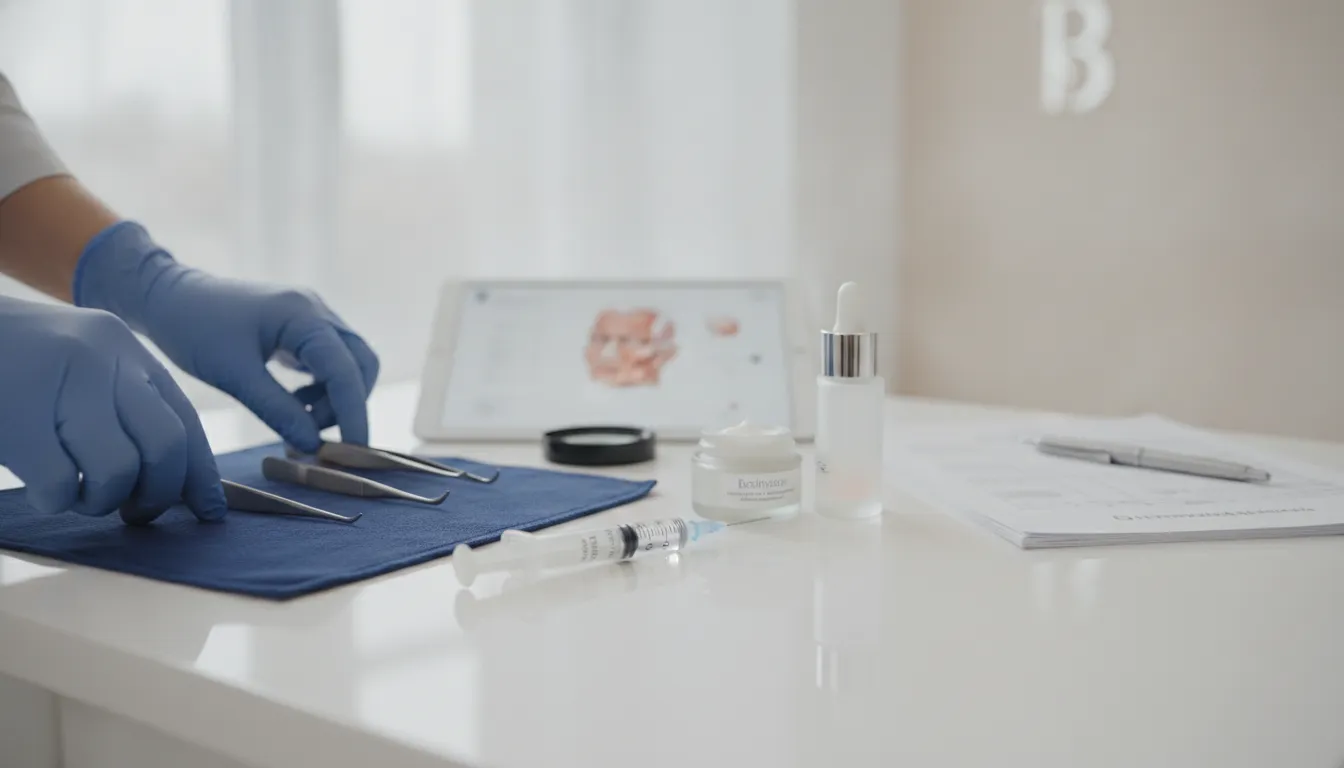
The best cosmetic treatment plan starts with your goals, not a standard dose or a list of popular injection sites. Botox may soften lines that form when you frown, squint, or raise your eyebrows, but each face moves differently. A thoughtful assessment helps a provider understand which areas concern you and which expressions you want to preserve. It also gives you time to review your health history, learn about possible risks, and decide whether injections feel right for you. This guide walks through what botox can and cannot do, how it differs from fillers, what results may look like, and what to discuss during a consultation.
Key Takeaways
- Botox and fillers work differently: Botox temporarily reduces activity in selected muscles, while fillers add volume. A provider can help identify which option fits your concern.
- Make an informed treatment choice: Review your goals, health history, medications, product, dose, and total cost with a qualified provider before agreeing to injections.
- Plan for temporary results and possible side effects: Results take time to appear and usually fade over several months. Follow your provider’s aftercare guidance, and seek urgent care for trouble breathing or swallowing.
What Is Botox, and How Does It Work?
Botox is a brand of botulinum toxin type A
Botox is a brand name for onabotulinumtoxinA, a prescription medicine made with a purified form of botulinum toxin type A. In small, carefully measured doses, it temporarily reduces activity in specific muscles. It has cosmetic and medical uses, and the treatment plan depends on the area being treated and your health and goals.
Botox is one of several injectable options, so it may not be the right choice for everyone. A consultation gives your provider a chance to review your concerns, explain potential benefits and risks, and discuss alternatives. Dermaclinique offers individualized cosmetic dermatology services. You can also read the FDA prescribing information for details about approved uses and safety considerations.
How Botox softens expression lines by relaxing targeted muscles
Some lines become more noticeable when facial muscles contract as you frown, squint, or raise your eyebrows. These are often called dynamic lines. Botox temporarily blocks the nerve signals that tell specific muscles to contract. With less activity in the treated muscles, the skin above them may look smoother.
The treatment is targeted, not a general relaxation of your face. Your provider will consider your facial movement, the areas you want to address, and the expressions you want to preserve when planning injections. The aim is to match treatment to your preferences, whether you want to soften certain lines or retain more movement. You can discuss those goals with a Dermaclinique dermatology provider before deciding whether Botox is a good fit.
When results appear and what to expect at your first appointment
Your first appointment usually begins with a conversation about your health, medications, treatment history, and goals. Your provider may assess how your facial muscles move, explain possible results and risks, and identify injection sites. The injections use a fine needle and generally take only a few minutes. Before treatment, ask what results are realistic for you and whether a follow-up visit is recommended.
Botox results aren’t immediate. You may start to notice changes within three to seven days, with the effect developing further over about two weeks. Timing can vary by person and treatment area. Your provider can explain what to expect and when to check in. This overview of Botox treatment timing offers additional context.
Common myths about permanence, a “frozen” look, and ongoing treatment
Botox isn’t permanent. Its effects gradually fade over several months, although the duration varies from person to person. Repeat treatment is optional, not required. If you like the results, your provider can help you decide whether another appointment makes sense and when to schedule it.
A “frozen” look isn’t inevitable, either. Results depend on factors such as placement, dose, facial anatomy, and your treatment plan. Share which expressions you want to preserve, and ask how the proposed approach may affect your movement. An experienced injector can tailor the dose to your goals while aiming for a natural-looking result, as Dr. Flora Levin notes in her overview of Botox myths.
What Can Botox Treat?
Botox is best known for softening expression lines, but botulinum toxin injections also have specific medical uses. The appropriate treatment depends on the product, your health history, and what you hope to address. A consultation with a qualified healthcare professional can help you understand the options and their risks.
Cosmetic uses: frown lines, forehead lines, and crow’s feet
Botox Cosmetic is used to temporarily soften certain dynamic wrinkles, which form or deepen when facial muscles move. Common treatment areas include frown lines between the eyebrows, horizontal forehead lines, and crow’s feet at the outer corners of the eyes. The injections relax targeted muscles, which can make lines less noticeable while allowing for natural expression when treatment is tailored to your face.
Botox doesn’t add volume. Dermal fillers may be considered when volume loss contributes to facial lines or changes in contour. A provider can assess what is causing your concerns and discuss options. Dermaclinique offers cosmetic dermatology services and can help you talk through your goals.
FDA-approved medical uses and treatment goals
Botox is also FDA-approved for certain medical conditions, with approved uses depending on the specific product and indication. For example, Botox is approved for chronic migraine, severe underarm sweating, some forms of muscle spasticity, and cervical dystonia. In these cases, treatment may aim to reduce headache days, limit excessive sweating, or ease involuntary muscle contractions. Medical treatment requires an evaluation and differs from cosmetic injections.
Approval applies to specific conditions and patient groups, so a clinician should confirm whether a treatment is appropriate for you. The FDA prescribing information lists Botox’s approved indications and safety information. Your healthcare professional can review your symptoms, medical history, and other treatment options before recommending injections.
Off-label uses, such as jaw tension, and the need for individual assessment
A clinician may sometimes use botulinum toxin for a purpose that is not specifically approved by the FDA, such as reducing jaw muscle activity associated with clenching. This is called off-label use. It is a clinical decision, and the evidence, potential benefits, and risks can differ depending on the condition and the individual. Botox may also be considered for some lines that remain visible when the face is relaxed, though it may not address every cause of a persistent crease.
A consultation helps determine whether the expected benefit justifies the risks and whether another approach may be more suitable. Share your symptoms, medications, and treatment goals. The Mayo Clinic’s overview of Botox injections explains why treatment should be provided by a qualified healthcare professional.
When Botox may not be right for you
Botox may not be suitable for everyone. Tell your provider if you have a neuromuscular condition, trouble swallowing or breathing, drooping eyelids, an infection near the planned injection site, or a past reaction to botulinum toxin. Some medications can affect treatment, so bring a complete list of prescriptions, over-the-counter medicines, and supplements. If you are pregnant or breastfeeding, discuss this with your provider before considering injections.
These factors do not always rule out treatment, but they may affect the decision or how care is planned. Don’t stop prescribed medication without guidance from the healthcare professional who manages it. Your provider can review your health history and discuss likely benefits, alternatives, and risks. Learn more about Dermaclinique’s medical and cosmetic dermatology services.
Which Botox Brands Can You Choose?
“Botox” is often used to describe wrinkle-relaxing injections, but it’s the brand name of one specific product. Other botulinum toxin type A brands include Dysport, Xeomin, Jeuveau, and Daxxify. Although they work in a similar way, their formulations, approved uses, and dosing differ.
The right option depends on your treatment area, goals, medical history, and previous experience with injectables. A consultation with a qualified provider can help you understand which product may suit your needs. At Dermaclinique, Dr. Priya Nayyar can discuss cosmetic treatment options and help create an individualized plan.
Botox Cosmetic, Dysport, Xeomin, Jeuveau, and Daxxify
These five prescription products contain forms of botulinum toxin type A. Botox Cosmetic is widely recognized and has several FDA-approved cosmetic uses. Dysport, Xeomin, Jeuveau, and Daxxify also have approved uses, but the specific treatment areas vary by product. For example, Daxxify is approved to temporarily improve moderate to severe frown lines between the eyebrows in adults.
The products aren’t interchangeable, and each has its own prescribing information, dosing guidance, and safety details. Ask your provider which brand they plan to use and why it may fit your goals. You can review the FDA-approved Daxxify label to learn more about its approved use and clinical information.
How formulations, approved uses, and duration differ
Each brand has a distinct formulation and label. Xeomin, for instance, is made without accessory proteins. Jeuveau was developed for aesthetic use and is approved for frown lines between the eyebrows. Botox Cosmetic has multiple approved cosmetic uses, including certain forehead and crow’s-feet lines. Approval for one brand or area doesn’t automatically apply to another.
The length of results can differ, too. Many treatments last around three to four months, while Daxxify may last longer for some people when used for frown lines. Individual results vary based on factors such as the product, dose, treatment area, and response. Your provider can explain what to expect and review the Botox Cosmetic prescribing information with you.
Why you can’t directly compare units between products
Units measure the biological activity of a particular product. They aren’t a universal measurement across brands, so the same number of units from two different products may not have the same effect. Providers use each product’s dosing guidance and consider the muscles being treated and your desired result when determining an appropriate amount.
This is also why price per unit can be misleading. One brand may require a different number of units than another for a particular treatment area, so the total cost depends on your plan. Ask which product is included in the estimate, how many units your provider expects to use, and what the full treatment cost will be. Your provider should explain the proposed dose before treatment.
How a qualified provider can recommend the right option
A qualified provider considers your treatment goals, facial anatomy, medical history, and any previous experience with injectables. They can explain which products are approved for your concerns, what results are realistic, and how long effects may last. Share any past side effects or details about how previous treatments worked for you.
During your consultation, ask who will evaluate you and administer the injections, which product they recommend, and why. It’s also reasonable to ask about dosing, possible side effects, and follow-up care. Choosing a product involves more than comparing brands or looking for the longest-lasting result. An individualized assessment helps your provider tailor a plan to your features and your preference for natural-looking results.
Should You Choose Botox or Dermal Fillers?
How Botox treats movement-related expression lines
Botox is often used to soften dynamic wrinkles, the lines that appear with repeated facial expressions. Common treatment areas include forehead lines, crow’s feet, and frown lines between the eyebrows. It temporarily reduces activity in selected muscles, easing the movement that contributes to these creases. Botox does not add volume or fill a wrinkle directly.
Results develop over several days, and the aim is to soften lines while keeping your expression natural. Your provider can assess how your face moves and discuss the result you want before recommending treatment. Dermaclinique offers cosmetic dermatology services in the Tampa Bay area, including injectable treatments.
How fillers address volume loss and facial contour
Dermal fillers add volume beneath the skin. Depending on the product and placement, they can soften some lines or enhance contours in areas such as the cheeks and lips. A provider may also discuss fillers for areas that look hollow or have lost fullness over time. The right approach depends on your facial anatomy and goals.
Unlike Botox, fillers do not relax the muscles that create expression lines. Many fillers produce visible results soon after treatment, although temporary swelling or bruising may affect the appearance at first. Your injector can explain the expected results, risks, and suitable product options. This comparison of Botox and fillers offers more detail on how the treatments differ.
How treatment areas, timing, and results differ
Botox is generally used where repeated muscle movement creates lines, including the forehead and areas around the eyes. Fillers are more often used to address volume or contour in places such as the cheeks and lips. Some concerns may overlap, so a consultation can help identify what is contributing to the change you notice.
Botox results usually take a few days to develop, while filler results are often visible soon after injection. Both treatments are temporary, and how long results last varies by product, treatment area, and individual factors. Your provider can discuss timing and maintenance based on your treatment plan. For a general overview, read about how Botox and filler results differ.
When a provider may recommend one treatment or both
A provider may suggest Botox when muscle movement is the main cause of the lines you want to soften, or filler when your concern involves volume loss or facial contour. In some cases, both may be appropriate for different areas or concerns. A combined plan is not necessary for everyone, and treatment should reflect your features, health history, and preferences.
During your consultation, ask what each option can realistically change, how long results may last, and what risks or alternatives to consider. Your provider should explain the recommendation and give you time to decide. Individualized care helps ensure your plan is based on your goals, rather than a one-size-fits-all approach.
How Long Does Botox Last?
When results appear and reach their full effect
Botox results develop gradually, so you may not notice a difference right after your appointment. Many people begin to see changes within three to seven days, as the treated muscles start to relax. The effect can continue to develop over the next week or so, with the full result often clearer by about two weeks. The American Academy of Dermatology’s overview of botulinum toxin explains what to expect after treatment.
Give your results time to settle before deciding whether you need a follow-up. Your provider can assess the outcome and answer questions based on your treatment area and goals. If you’re considering Botox in St. Petersburg, Clearwater, or the Tampa Bay area, Dermaclinique’s cosmetic services include individualized aesthetic care.
How long results typically last and when to consider repeat treatment
For many people, Botox results last about three to four months, although they may last anywhere from three to six months. As the effects wear off, muscle movement gradually returns and expression lines may become more visible again. The Vujevich Dermatology overview also notes that duration varies and that some people find their results last longer after repeat treatments. That isn’t guaranteed, so use your own experience rather than assuming each treatment will last longer.
There’s no universal schedule for repeat appointments. Your provider can help you decide when to return based on how long your results last, your preferences, and your treatment history. Don’t schedule injections more frequently than your provider recommends. A follow-up is also a good opportunity to discuss whether the previous dose and treatment plan gave you the result you wanted.
What can affect results and treatment frequency
Botox duration can vary with the treatment area, the muscles being treated, the product and dose, and your individual response. Your results may also differ from one treatment to the next. For that reason, a plan that worked well at your first appointment may need adjustment over time. Comparing your results with someone else’s is unlikely to give you a reliable estimate of how long your own treatment will last.
At your follow-up, share when you first noticed a change and when muscle movement began to return. That information can help your provider assess your response and discuss timing for a future appointment. A qualified medical professional can recommend an approach suited to your goals and treatment history, and explain why a particular interval or dose may be appropriate for you.
What Does Botox Cost?
Botox pricing depends on the product, treatment area, number of units, and provider’s experience. Since treatment plans and local prices vary, use general estimates as a starting point and ask for a personalized quote after an assessment.
How product, treatment area, units, and provider expertise affect cost
Many practices charge by the unit, while others set a price by treatment area. As a general estimate, Botox may cost about $10 to $25 per unit, and a session may range from $300 to $800. These figures vary, so they are not a quote. The area being treated and the number of units recommended affect the total. For instance, forehead lines may call for a different dose than crow’s feet or frown lines.
The provider’s training and experience also matter. A qualified injector can assess your facial movement, discuss your goals, and recommend a treatment plan suited to you. Ask which product is included in the price, since Botox and other neuromodulators are different products. Dermaclinique offers cosmetic dermatology services. For more context, review this guide to Botox costs.
What to ask about consultation fees, follow-ups, and promotions
Before booking, ask whether the consultation has a fee and whether it will be applied to your treatment if you decide to proceed. Find out whether pricing is based on units or treatment areas, and request an itemized estimate so you know what the total includes. You can also ask when the provider recommends checking in and whether any follow-up appointment or touch-up treatment is included or billed separately.
If a promotion is available, confirm which product and areas it covers, whether there are eligibility requirements, and whether it affects your recommended plan. A discount should not pressure you into treatment or a higher dose than you want. Clear answers help you compare the full cost of care, rather than choosing based only on an advertised starting price.
Why unusually low prices call for questions about product sourcing and safety
A price far below what other practices charge is a reason to ask more questions. Find out which product the provider will use, how it is sourced, and who will evaluate and administer your treatment. Ask about the provider’s training, the recommended dose, and how the product is stored and prepared. The FDA’s Botox Cosmetic labeling outlines approved cosmetic uses and important safety information.
A low price does not automatically mean a treatment is unsafe, but price alone cannot confirm product quality or provider qualifications. Make sure you can discuss your health history and goals before treatment. If you feel rushed or cannot get clear answers about the product, dosing, or total cost, consider another provider.
How to Choose a Botox Provider in Tampa Bay
Choosing a Botox provider takes more than comparing prices or browsing before-and-after photos. The person treating you should understand facial anatomy, review your health history, and explain what the treatment can and cannot do. A thoughtful consultation gives you time to ask questions and decide whether you feel comfortable moving forward.
Before booking, find out who will assess you and who will perform the injections. Ask about medical credentials, injectable training, and experience treating the areas you have in mind. You can also ask which product they recommend, how they choose a dose, and what safety steps they follow. A qualified provider should answer clearly and discuss potential risks without pressuring you to book.
In Tampa Bay, look for a practice that takes an individualized approach. Your facial features, muscle movement, medical history, and preferences all matter. For patients in St. Petersburg, Clearwater, and nearby communities, Dermaclinique’s cosmetic services are offered within a dermatology practice led by board-certified dermatologist Dr. Priya Nayyar.
Check credentials, injectable training, and experience
Start by confirming that your provider is a licensed medical professional qualified to administer injections in Florida. Ask about their clinical background, training with neuromodulators, and experience treating the areas you’re considering. You can verify a clinician’s license using the Florida Department of Health’s provider search.
It’s also fair to ask how often the provider performs these treatments and whether they pursue ongoing education. Look for someone who can explain facial anatomy, potential benefits, and possible risks in plain language. A qualified provider won’t promise identical results for everyone or pressure you to book. The Cleveland Clinic’s guidance on botulinum toxin injections also emphasizes consulting a licensed healthcare provider.
Confirm who evaluates you and administers treatment
Ask who will review your medical history, discuss your goals, and perform the injections. At some practices, the person you meet for a consultation may differ from the person administering treatment. Clarify each person’s role before your appointment, and find out whom to contact if you have questions afterward.
A proper assessment should cover your health history, medications, allergies, previous treatments, and facial muscle movement. Your provider should explain whether Botox is suitable for your goals, discuss alternatives where appropriate, and give you time to decide. HealthPartners recommends consulting a cosmetic medicine expert who can assess your health and skin. If you feel rushed or your questions go unanswered, consider getting another opinion.
Ask about product sourcing, dosing, and safety practices
Ask which product your provider plans to use and why it may suit your goals. Botox is a brand of botulinum toxin type A, and other products in this category have different formulations and dosing. Their units aren’t directly interchangeable, so ask how your provider selects a dose and sets expectations for results.
You can also ask how the practice obtains and stores its products and what steps it takes to maintain a clean treatment setting. Your provider should explain possible side effects, follow-up plans, and what to do if you have a concern. The Cleveland Clinic’s overview of botulinum toxin injections offers a useful starting point for questions to bring to your appointment. Be cautious if a price seems unusually low and the practice can’t clearly explain the product or treatment plan.
Find individualized care and discuss natural-looking goals in St. Petersburg, Clearwater, or Tampa
A useful consultation starts with what you’d like to change and what you want to preserve. Be specific: you may want to soften a frown line, look less tense, or keep natural movement in your forehead. Your provider can assess your expressions and explain what Botox may realistically achieve. They should also be willing to recommend a conservative approach or discuss other options if those better fit your goals.
When comparing practices in St. Petersburg, Clearwater, and Tampa, ask how treatment plans are tailored and what follow-up care is available. Dermaclinique offers cosmetic dermatology services within a practice led by Dr. Priya Nayyar, a board-certified dermatologist. Choose a provider who listens, answers your questions, and gives you room to decide. You should feel informed about the plan, including which areas will be treated and why, before you agree to proceed.
What Are Botox’s Risks and Safety Considerations?
Botox is generally well tolerated when a qualified medical professional determines it is appropriate and administers it correctly. Still, injections can cause side effects. Most are mild and temporary, but some symptoms need prompt attention.
Before treatment, share your health history and ask about your individual risks. Dermaclinique’s cosmetic dermatology team can review your goals, discuss whether Botox may be suitable, and explain how to reach the practice with questions after your appointment.
Common temporary effects, including bruising, swelling, and headache
You may have mild pain, redness, swelling, or bruising where the needle entered your skin. Some people also experience a headache or flu-like symptoms. These effects are usually temporary, but their timing and severity can vary. Ask your provider what to expect and how to care for the treated area.
Bruising may be more likely if you take certain medications or supplements. Tell your provider what you use before treatment, and follow their preparation and aftercare instructions. Don’t rub or massage injection sites unless your provider recommends it. Brown University Health’s overview of Botox uses and side effects describes common reactions, including injection-site discomfort, swelling, bruising, and headache.
Less common effects, such as eyelid or brow drooping
Botox can sometimes affect nearby muscles, leading to temporary eyelid or brow drooping. You may also notice temporary muscle weakness or an uneven appearance in the treated area. These effects do not happen to everyone, and your provider can assess any changes and recommend what to do next.
Contact your provider if you notice a new or bothersome symptom after treatment. Don’t try to correct it with additional injections or another treatment without medical advice. Careful assessment and injection planning can help lower the risk of unwanted effects, but no procedure is risk-free. HealthPartners’ guide to Botox safety outlines symptoms that may occur if the medicine affects areas beyond the injection site.
Rare, serious symptoms that need prompt medical attention
Rarely, botulinum toxin may affect parts of the body beyond the injection area. Seek prompt medical attention if you develop trouble breathing, swallowing, or speaking, significant muscle weakness, or vision problems. These symptoms can start hours or weeks after treatment, so pay attention to changes even if they don’t happen right away.
If breathing or swallowing becomes difficult, seek emergency care. For other concerning symptoms, contact a healthcare professional promptly and tell them when you received Botox. The Mayo Clinic’s Botox safety information explains that the medicine can rarely affect areas beyond where it was injected. A clinician can assess your symptoms and advise you on the care you need.
Discuss medical conditions, medications, allergies, pregnancy, or breastfeeding
Before your appointment, tell your provider about medical conditions, allergies, past reactions to botulinum toxin, and all medications and supplements you take. Some conditions, including certain neuromuscular disorders or swallowing difficulties, may affect whether Botox is appropriate. Mention any history of eyelid drooping or other concerns that could influence your treatment plan.
Tell your provider if you are pregnant, trying to become pregnant, or breastfeeding. They can discuss the limited safety information available and help you decide whether to postpone treatment. The South Bend Clinic’s Botox safety guidance also recommends discussing relevant health conditions before an injection.
Don’t stop prescribed medication without guidance from your healthcare professional
Some medications, including blood thinners, can affect bruising or bleeding. Give your provider a complete list of prescriptions, over-the-counter medicines, vitamins, and herbal supplements. They can review your health history and let you know whether any changes are appropriate before treatment.
Don’t stop or change a prescribed medication on your own. Stopping some medicines suddenly can put your health at risk. If your provider recommends an adjustment, check with the clinician who prescribed the medication before making a change. The Mayo Clinic’s guidance on Botox injections advises discussing blood thinners and other medications with a healthcare professional before treatment.
How to Prepare for Botox and Care for Your Skin After Treatment
Share your medical history and ask how to prepare
Before your appointment, tell your provider about your medical history, allergies, medications, supplements, and any previous Botox or injectable treatments. Mention any conditions that affect your nerves or muscles, and let your provider know if you’re pregnant or breastfeeding. This information helps them assess whether Botox is appropriate and discuss a plan that fits your needs. Don’t stop taking a prescribed medication unless the clinician who manages it tells you to. Your consultation is also a good time to talk about your goals and ask whether you need to do anything before treatment. The Cleveland Clinic’s Botox overview recommends discussing your health and questions with a qualified medical professional.
Arrive with clean skin and follow your provider’s instructions
Follow the preparation guidance from the clinician who will perform your treatment. Unless they advise otherwise, arrive with clean skin and avoid applying makeup to the treatment area. Your provider may clean the area before the injections. If you’re unsure whether to pause a skincare product, supplement, or medication, ask your provider rather than making changes on your own. Preparation recommendations can vary based on your health, treatment area, and individual plan. A cosmetic consultation at Dermaclinique gives you a chance to discuss your goals, ask questions, and learn what to expect before treatment.
Follow aftercare guidance and ask when to check in
After your injections, follow the aftercare instructions your provider gives you. Ask whether you should avoid any activities or products for a period of time, and when you can return to your usual routine. Your provider can also explain which short-term effects may occur and how to care for the treated area. Before you leave, ask when to check in and whether they recommend a follow-up visit. A follow-up gives you an opportunity to discuss how your results are developing and whether they align with your goals. HealthPartners shares guidance on Botox aftercare and follow-up.
Contact your provider about concerns or unexpected symptoms
Temporary tenderness, mild swelling, bruising, or a headache can occur after Botox. Contact your provider if a symptom concerns you, gets worse, or doesn’t improve as expected. Rarely, the effects of botulinum toxin can spread beyond the injection area. Get urgent medical care if you have trouble breathing or swallowing, difficulty speaking, or unusual muscle weakness. Keep your provider’s contact information handy so you know whom to call with questions after your appointment. The Mayo Clinic’s Botox safety guidance advises contacting a healthcare professional about concerning symptoms, even if they appear some time after treatment.
Frequently Asked Questions
How soon will I see results from Botox, and how long do they last?
Changes often begin within three to seven days, with the full effect becoming clearer around two weeks. Results commonly last about three to four months, but timing varies by person, product, dose, and treatment area.
Does Botox make your face look frozen?
Not necessarily. The result depends on factors such as placement, dose, and your facial anatomy. Tell your provider which expressions you want to preserve, and discuss an approach that fits your preferences.
How is Botox different from dermal fillers?
Botox temporarily reduces activity in selected muscles to soften movement-related lines. Fillers add volume and may help address hollow areas or changes in facial contour. A provider can assess what is contributing to your concern and explain which option, if any, may be appropriate.
What should I ask before getting Botox?
Ask who will assess you and perform the injections, which product they plan to use, how they choose the dose, and what the total cost includes. Share your health history, medications, supplements, allergies, and previous experiences with injectables.
Where can I discuss Botox in the Tampa Bay area?
Dermaclinique offers cosmetic dermatology care in St. Petersburg, Clearwater, and the surrounding Tampa Bay area. A consultation with the practice can help you discuss your goals, review potential risks and alternatives, and decide whether treatment may be right for you.